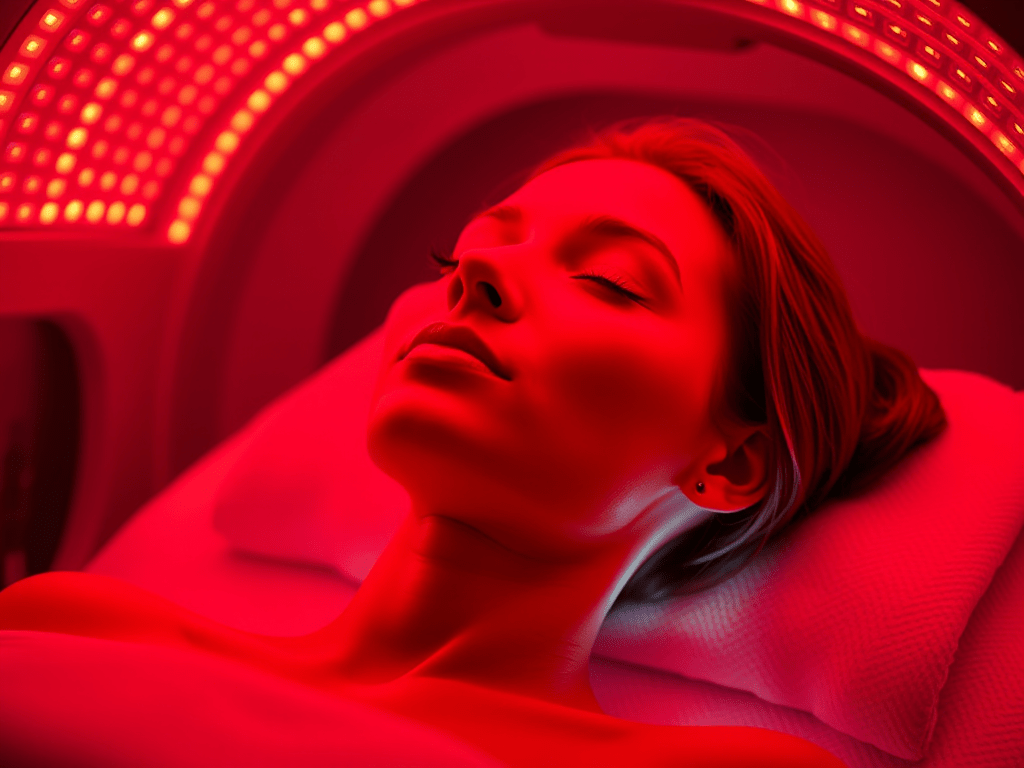
Have you ever wondered if red light therapy is just another wellness trend or if it actually offers real benefits? With so many gadgets and gizmos flooding the market, it’s easy to get caught up in the hype. But don’t worry—we’re here to shed some light (pun totally intended) on this topic.
What Exactly Is Red Light Therapy?
Red light therapy (RLT) involves exposing your skin to low levels of red or near-infrared light. Unlike ultraviolet (UV) rays from the sun, which can damage your skin, red light is thought to penetrate deeper without causing harm. It’s believed to stimulate cellular energy production, promoting healing, reducing inflammation, and enhancing overall cellular function.
This therapy isn’t new. In fact, NASA originally used it to help grow plants in space under low-light conditions. They later discovered its potential for healing wounds in astronauts due to its ability to enhance cellular energy and regeneration. Fast forward to today, and RLT is popping up in everything from dermatologist offices and physical therapy clinics to at-home devices designed for skin care, pain relief, and even hair growth.
The Science Behind the Glow
So, does red light therapy actually work? Studies suggest that it may help with a variety of conditions:
- Skin health: Red light therapy stimulates collagen production, which can help reduce wrinkles, fine lines, and acne scars. It also improves skin texture, tone, and elasticity. Some users report brighter, more radiant skin after consistent use.
- Pain relief: RLT can reduce inflammation and promote blood flow, making it effective for easing joint pain, arthritis symptoms, muscle soreness, and even chronic pain conditions like fibromyalgia.
- Wound healing: Red light speeds up recovery from injuries, burns, and surgical wounds by promoting faster tissue repair and reducing inflammation.
- Hair growth: It stimulates hair follicles and can be particularly effective for people experiencing androgenetic alopecia (pattern baldness) or thinning hair.
While research is promising, it’s important to note that red light therapy isn’t a magic cure. Results can vary depending on the condition being treated, the device used, the wavelength of the light, and how consistently it’s applied. Most studies emphasize the importance of regular sessions over time to achieve noticeable results.
Hype vs. Healing: What the Experts Say
Some experts swear by red light therapy, citing clinical trials and personal experiences with patients. Dermatologists often recommend it for skin rejuvenation, while physical therapists may incorporate it into pain management plans. Others argue that while it’s helpful, it’s often marketed with exaggerated claims, especially when it comes to anti-aging miracles or overnight transformations.
The truth likely falls somewhere in between: RLT can be beneficial for certain conditions, but it’s not going to turn you into a superhero overnight. It’s best viewed as a complementary therapy—great when used alongside a healthy lifestyle, proper skincare, or medical treatments, rather than as a standalone miracle cure.
How to Use Red Light Therapy at Home
Thinking of trying it out? Red light therapy devices are now widely available for home use, and many are quite user-friendly. Here are a few tips to get the most out of your at-home sessions:
- Choose the right device: Look for FDA-cleared products designed for your specific needs, whether it’s for skin care, pain relief, or hair growth. Consider the light wavelength (typically between 600-850 nm) as different wavelengths target different concerns.
- Consistency is key: Like exercise, you won’t see results if you only do it once. Aim for regular sessions, often 3-5 times per week, depending on the manufacturer’s guidelines.
- Be patient: Improvements may take weeks or even months to become noticeable. Track your progress with photos to see subtle changes over time.
- Follow safety guidelines: While RLT is generally considered safe, avoid overexposure, and always follow the manufacturer’s instructions. Protective eyewear may be necessary, especially with high-intensity devices.
Disclaimer
This post contains affiliate links, which means I may earn a small commission if you purchase through them—at no extra cost to you. Thank you for supporting my content; it helps me keep sharing useful information with you!
Recommended Red Light Therapy Devices
If you’re curious about trying red light therapy, here are some top-rated products on Amazon that cater to different needs and budgets:
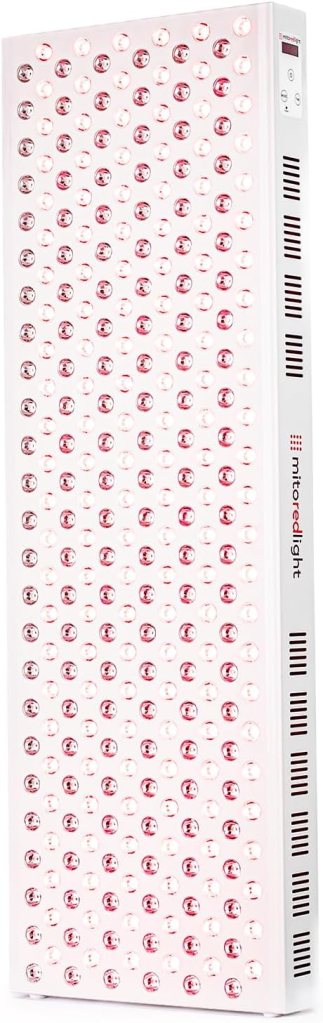
1. Mito Red Light Therapy Device
- Great for full-body sessions with a large panel design.
- Adjustable intensity settings allow you to customize treatments.
- High irradiance ensures effective penetration for deeper tissue benefits.
2. Hooga Red Light Therapy Panel
- Compact and budget-friendly, making it ideal for beginners.
- Perfect for targeted areas like the face, neck, or joints.
- Offers both red and near-infrared light options for versatile treatments.

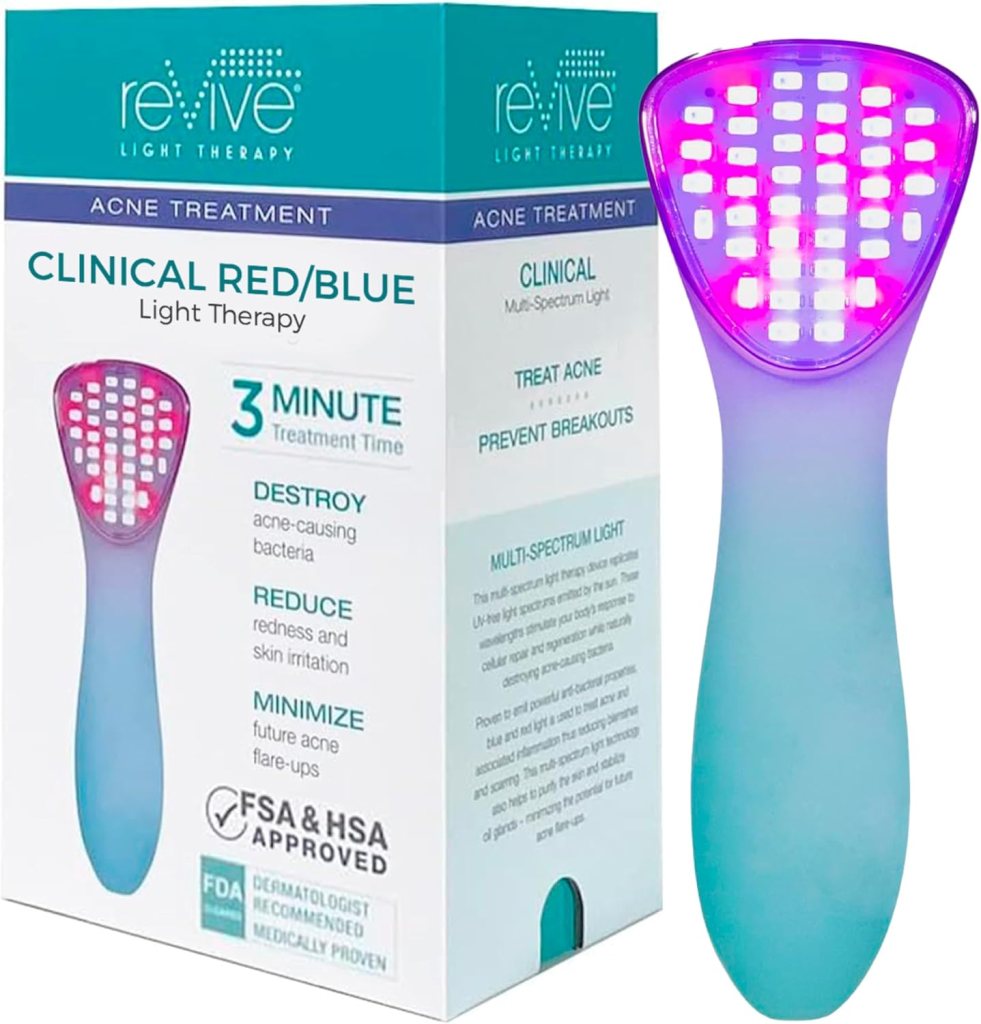
3. reVive Light Therapy Glô Wrinkle Treatment
- Designed specifically for skin rejuvenation and anti-aging benefits.
- Portable, easy to use, and great for travel.
- Clinically proven wavelengths to reduce fine lines and improve skin tone.
Final Thoughts
Is red light therapy hype or healing? The answer is… a little bit of both. While it may not be the miracle some claim, there’s solid evidence supporting its benefits for skin health, pain relief, wound healing, and more. The key is managing expectations—think of it as part of your wellness toolkit, not a one-and-done fix.
If you’re curious, give it a try—just be consistent, follow the guidelines, and be patient with the results. And remember, always consult with a healthcare professional if you have underlying medical conditions or are unsure whether RLT is right for you.
Have you tried red light therapy? Share your experience in the comments below! And don’t forget to check out more of our blog posts for other wellness tips and tricks.

 For body and mind
Leave a comment