
Have you ever wondered why some people swear by sleeping on the floor? As a massage therapist, I often see clients struggling with chronic back pain, stiffness, and poor posture. While massage therapy can work wonders, making simple changes to daily habits—like how and where you sleep—can also have a profound impact on your body. Surprisingly, science backs up the benefits of sleeping on the floor, and today, I’ll share why it might be worth considering.
Why Consider Sleeping on the Floor?
In many cultures around the world, sleeping on the floor is the norm. Think of traditional Japanese futons or yoga mats. Unlike soft, plush mattresses that cradle your body, a firm surface encourages better alignment of your spine. This natural alignment helps reduce muscle tension, improves posture, and may even alleviate certain types of back pain.
When your spine is misaligned during sleep, it can lead to muscle imbalances. Over time, these imbalances cause discomfort, stiffness, and even chronic pain. Sleeping on a firm surface helps your body maintain a more neutral position, allowing muscles to relax in their natural state.
The Science Behind It
Studies have shown that sleeping on firmer surfaces can improve sleep quality and reduce back pain for many people. A 2015 review published in the journal Sleep Health found that medium-firm mattresses improved sleep quality and reduced the risk of developing lower back pain compared to softer ones. While this doesn’t directly advocate sleeping on the floor, it supports the idea that firmer sleeping surfaces can be beneficial.
Additionally, research into posture and spinal alignment highlights how soft mattresses may contribute to poor posture over time. When your hips and shoulders sink too deeply, your spine curves unnaturally, leading to strain on your muscles and joints. A firm surface helps distribute your body weight more evenly, reducing pressure points and promoting healthier alignment.
How to Transition to Sleeping on the Floor
If you’re curious about trying this out, it’s essential to ease into it. Going from a plush mattress to the hard floor overnight can be a shock to your body. Here are some tips:
- Start with a Thin Mat: A yoga mat or Japanese futon provides minimal cushioning while still offering some comfort.
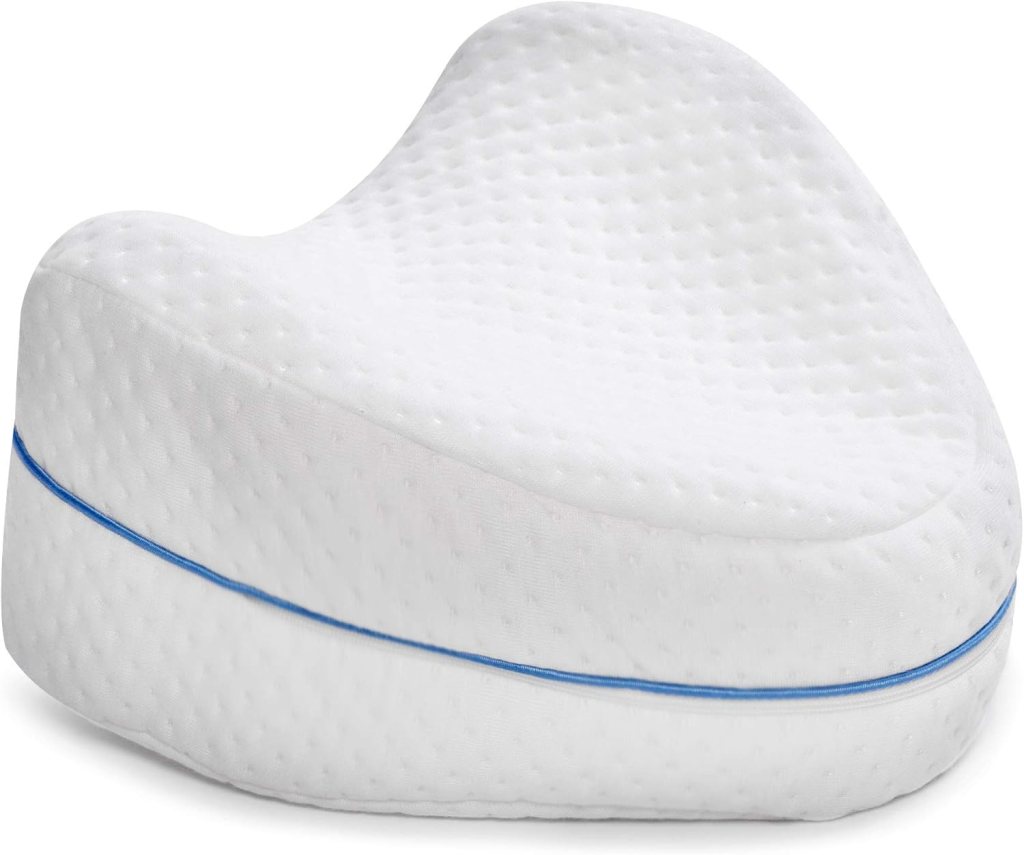
- Use a Pillow Strategically: Place a thin pillow under your head and, if needed, one under your knees to support your lower back.
- Listen to Your Body: Some initial discomfort is normal as your body adjusts, but sharp pain is a sign to reconsider.
- Alternate Nights: Gradually increase the nights you sleep on the floor to allow your body time to adapt.
Disclaimer
This post contains affiliate links, which means I may earn a small commission if you purchase through these links at no extra cost to you. Thank you for supporting my content and helping me continue to share helpful tips and insights!
Recommended Products for Floor Sleeping
To make your floor-sleeping experience more comfortable, here are some products you might find helpful:


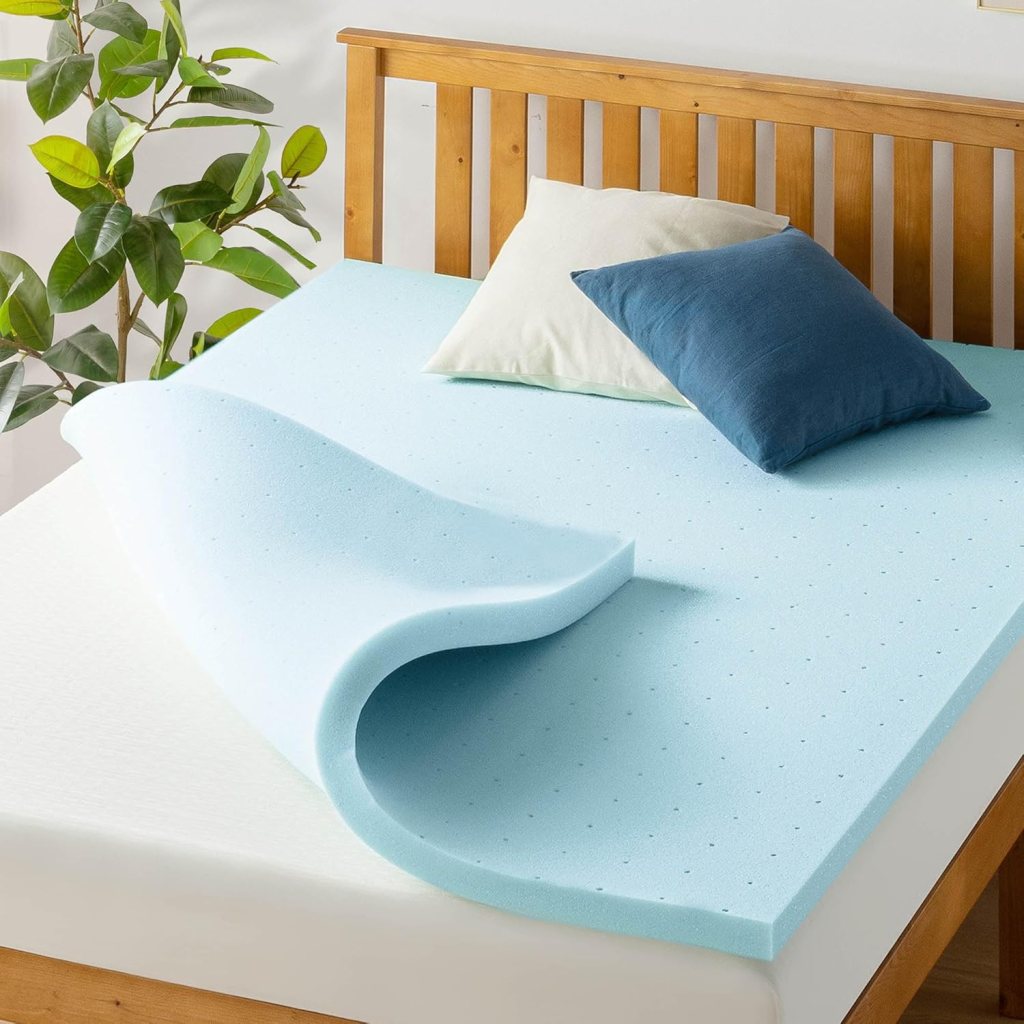
3. Thin Memory Foam Topper: For those who need a little extra softness without compromising firmness.

Final Thoughts
While sleeping on the floor isn’t for everyone, it can offer surprising benefits. By promoting better posture, reducing muscle tension, and enhancing body awareness, this simple change could improve your overall well-being.
Have you tried sleeping on the floor, or are you considering it? I’d love to hear your thoughts and experiences in the comments below. And don’t forget to check out more of our posts for tips on health, wellness, and body care!
 For body and mind
Leave a comment