
When it comes to bouncing back after intense workouts or athletic competitions, massage therapy plays a crucial role in sports recovery. Whether you’re a professional athlete, a weekend warrior, or someone who enjoys regular exercise, incorporating massage into your recovery routine can make a world of difference. Let’s dive into how massage helps with sports recovery and why it should be part of your fitness regimen.
How Massage Aids Sports Recovery
1. Reduces Muscle Soreness
After a tough workout, it’s common to experience delayed onset muscle soreness (DOMS), which usually peaks 24 to 72 hours after exercise. Massage helps by increasing blood flow to the affected muscles, promoting the removal of metabolic waste like lactic acid. This increased circulation delivers oxygen and nutrients to speed up recovery and reduce soreness.
Massage also helps decrease inflammation, which is often a contributor to muscle pain after exercise. Techniques like effleurage (long, gliding strokes) and petrissage (kneading) help relax muscle fibers and reduce swelling. Additionally, massage can stimulate the production of mitochondria in muscle cells, enhancing muscle repair and energy production. Regular post-workout massages can help condition the muscles, reducing the intensity and duration of soreness over time.
2. Improves Flexibility and Range of Motion
Tight muscles can limit your flexibility and increase the risk of injury. Massage therapy helps to loosen up muscle fibers, improve elasticity, and enhance joint mobility. This is especially beneficial for athletes who rely on agility, like runners, swimmers, and cyclists.
Massage techniques like myofascial release and stretching not only target the muscles but also the connective tissues surrounding them. By breaking down adhesions and scar tissue, massage helps maintain optimal muscle length and alignment. Enhanced flexibility reduces the risk of strains and sprains, allowing for smoother, more efficient movement patterns. Over time, consistent massage therapy can help correct muscular imbalances, contributing to better posture and improved athletic performance.
3. Reduces Muscle Tension and Stiffness
Intense physical activity can cause muscles to tighten and become stiff. Massage techniques like deep tissue and myofascial release target these tight areas, relieving tension and helping muscles relax. This not only feels great but also improves overall performance.
Muscle tension often leads to discomfort, restricted movement, and even chronic pain if left unaddressed. Massage works by manipulating soft tissues, encouraging muscle relaxation at both the superficial and deeper levels. It also helps reduce the activity of stress hormones like cortisol, which can contribute to muscle tightness. Regular massages keep muscles supple and resilient, making it easier for athletes to maintain peak performance without the risk of overuse injuries.
4. Enhances Circulation
Improved blood flow is one of the key benefits of massage. Better circulation means more oxygen and nutrients reach your muscles, while waste products are flushed out more efficiently. This speeds up the healing process and reduces recovery time.
Massage stimulates both the vascular and lymphatic systems. Increased blood flow delivers fresh oxygen and essential nutrients necessary for tissue repair and growth. At the same time, enhanced lymphatic drainage helps remove toxins, metabolic waste, and excess fluid that can cause swelling. Techniques like rhythmic compression and friction are particularly effective in promoting circulation, which supports faster recovery and reduces muscle fatigue.
5. Supports Mental Recovery
Sports recovery isn’t just about the body; it’s also about the mind. Massage promotes relaxation, reduces stress hormones, and boosts the production of endorphins—the body’s natural feel-good chemicals. This mental relaxation can be just as important as physical recovery.
Athletes often face high levels of mental stress due to competition pressure, training demands, and performance expectations. Massage therapy activates the parasympathetic nervous system, encouraging a state of deep relaxation. This helps reduce anxiety, improve sleep quality, and enhance overall mood. The meditative aspect of massage, combined with its physical benefits, creates a holistic recovery experience that supports both mental clarity and emotional balance.
Types of Massage for Sports Recovery
Not all massages are created equal. Different techniques serve different purposes in the recovery process. Here are some of the most effective types of massage for athletes:
- Sports Massage: Specifically designed for athletes, this technique focuses on areas of the body that are overused and stressed from repetitive movements.
- Deep Tissue Massage: Targets deeper layers of muscles and connective tissue to break down adhesions and relieve chronic muscle tension.
- Swedish Massage: A gentler option that promotes overall relaxation and improves circulation.
- Trigger Point Therapy: Focuses on tight areas within muscle tissue that cause pain in other parts of the body.
- Myofascial Release: Works on the fascia (the connective tissue surrounding muscles) to improve flexibility and reduce pain.
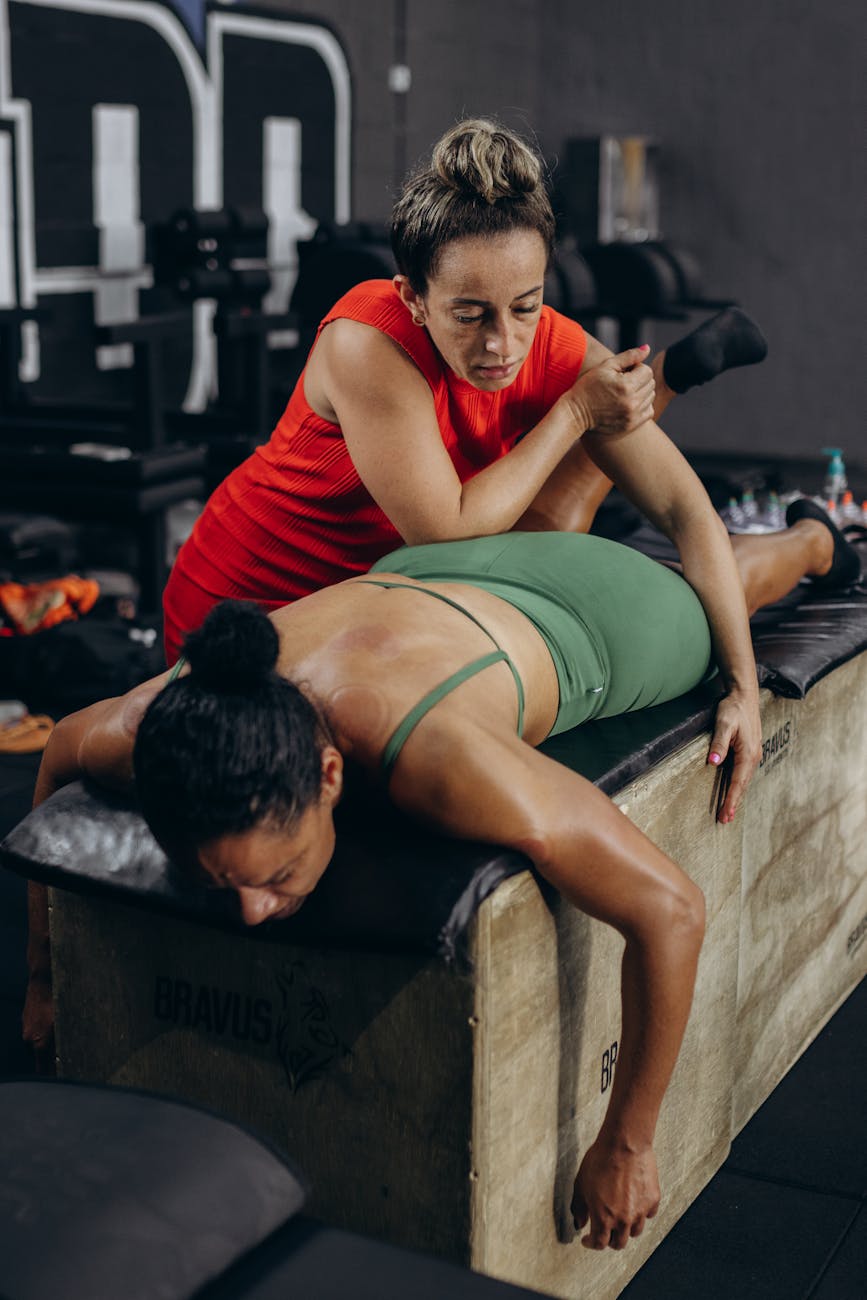
When Should You Get a Sports Massage?
- Pre-Event: A light, stimulating massage 24-48 hours before an event can help warm up muscles, improve flexibility, and reduce anxiety. This type of massage typically includes brisk, fast-paced strokes combined with gentle stretching to prepare the muscles for peak performance. It’s designed to enhance blood flow, activate the nervous system, and mentally prepare athletes without causing muscle fatigue or soreness.
- Post-Event: A massage can be beneficial both immediately after an event and within the following 48 hours. Right after the event, a light recovery massage focusing on flushing out metabolic waste, reducing swelling, and calming the nervous system can be helpful. However, for deeper tissue work to address muscle tightness or knots, it’s better to wait 24-48 hours when the body has had time to cool down and initial inflammation has subsided. This helps prevent additional irritation to already stressed tissues.
- Maintenance: Regular massages (weekly or bi-weekly) can help prevent injuries, improve performance, and maintain muscle health.
- Rehabilitation: For injury recovery, massage can aid in healing by improving circulation, reducing scar tissue, and enhancing flexibility.
Disclaimer
This post contains affiliate links, which means I may earn a small commission if you click through and make a purchase, at no extra cost to you. Thank you for supporting my content and helping me continue to share helpful information!
Recommended Products for Sports Recovery
To get the most out of your sports recovery routine, here are some Amazon products that can complement your massage therapy:
- Theragun Prime Percussive Massage Gun
Great for deep muscle treatment, this massage gun helps relieve tension, soreness, and stiffness with powerful percussive therapy. - TriggerPoint GRID Foam Roller
Perfect for self-massage, this foam roller helps release muscle knots, improve flexibility, and speed up recovery. - Wahl Cordless Massager
A versatile handheld massager with multiple attachments, ideal for targeting sore spots and deep tissues. - Massage Therapy Ball Set
These balls are excellent for trigger point therapy, helping to relieve muscle tension and improve mobility. - Arnica Massage Oil for Sore Muscles
A natural oil that helps soothe sore muscles and reduce inflammation, perfect for post-workout massage.
Final Thoughts
Massage therapy is a powerful tool in sports recovery, offering both physical and mental benefits. Whether you opt for professional massages or incorporate self-massage tools into your routine, your body will thank you.
Have you tried massage therapy for sports recovery? Share your experience in the comments below!
If you enjoyed this post, don’t forget to explore more articles on our blog for wellness tips and insights!
Thank You
Thank you for reading and supporting my content. Your support helps me continue sharing helpful wellness tips and insights. I appreciate you!
 For body and mind
Leave a comment