
If you’ve spent any time scrolling through wellness trends, you might have come across something that sounds, well… a little strange: mouth taping for sleep. Yep, the idea is exactly what it sounds like—taping your mouth shut before bed to promote nasal breathing. It might sound extreme, but many people swear by it for better sleep, reduced snoring, and even improved energy levels.
But does it really work, or is this just another internet fad? Let’s dive into the science, the potential benefits, risks, and whether you should give mouth taping a try.
What Is Mouth Taping?
Mouth taping is the practice of placing a small piece of tape over your lips while you sleep to encourage nasal breathing instead of mouth breathing. The goal is to keep your mouth closed so you breathe naturally through your nose, which has several known health benefits.
People have been using mouth taping to address issues like snoring, dry mouth, and poor sleep quality. Some even believe it can improve oxygen intake and overall well-being.
The Benefits of Mouth Taping
So, why would anyone want to tape their mouth shut before bed? Here are some of the benefits supporters claim:
1. Improved Sleep Quality
Nasal breathing is more efficient and helps regulate oxygen and carbon dioxide levels in your blood. This can lead to deeper, more restorative sleep and fewer nighttime wake-ups.
2. Reduced Snoring
If you (or your partner) struggle with loud snoring, mouth taping might help. Since most snoring happens due to mouth breathing, keeping the mouth closed forces air to pass through the nasal passages, which can reduce the vibrations that cause snoring.
3. Better Oral Health
Mouth breathing can lead to dry mouth, bad breath, and even an increased risk of cavities. Nasal breathing helps maintain saliva production, which protects teeth and gums from bacteria.
4. Increased Oxygen Intake
Breathing through your nose allows the body to filter and humidify the air, while also increasing nitric oxide production—a compound that helps deliver oxygen more efficiently to your cells.
5. Less Daytime Fatigue
If you wake up groggy, it could be due to poor sleep quality from mouth breathing. By improving airflow and reducing sleep disruptions, mouth taping might help you wake up feeling more refreshed and energized.
The Science Behind Mouth Taping: Is It Legit?
At first glance, mouth taping might sound like pseudoscience, but there’s actually some solid research backing up the benefits of nasal breathing.
Studies have shown that nasal breathing is linked to improved oxygen absorption and better sleep quality. Research on sleep apnea also suggests that keeping the airway open and encouraging nasal breathing can help reduce symptoms.
While there aren’t many direct studies on mouth taping itself, experts in sleep medicine generally agree that nasal breathing is healthier than mouth breathing. Many people who try mouth taping report positive changes, but more scientific studies are needed to confirm all the benefits.
Are There Any Risks to Mouth Taping?
Mouth taping isn’t for everyone, and there are a few potential risks to consider:
- Breathing Difficulties: If you have nasal congestion, allergies, or conditions like sleep apnea, taping your mouth shut could make it harder to breathe properly.
- Skin Irritation: Some people experience irritation from adhesive tapes, especially if they have sensitive skin.
- Feeling Claustrophobic: If you’re not used to it, mouth taping might feel uncomfortable at first. Some people find it anxiety-inducing.
- Not a Fix for Serious Sleep Disorders: If you have sleep apnea or other medical conditions affecting your breathing, consult a doctor before trying mouth taping.
What If the Tape Comes Loose? Could You Swallow It?
One concern some people have about mouth taping is whether the tape could come loose and accidentally be swallowed during sleep. While this is highly unlikely, it’s understandable to wonder about it.
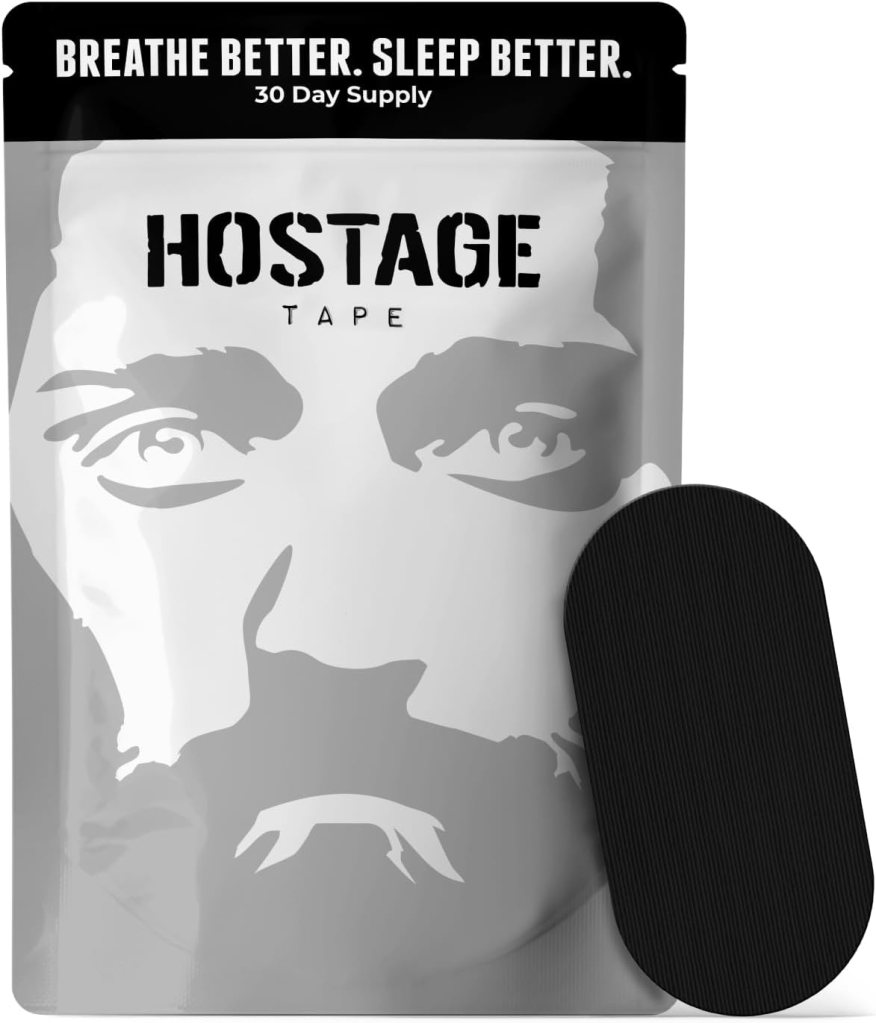
Most mouth tapes designed for sleep, like SomniFix or Hostage Tape, use a strong yet gentle adhesive to stay in place throughout the night. Even if a piece did come loose, it’s too large to be easily inhaled, and your gag reflex would likely prevent you from swallowing it.
If this is something you’re worried about, you can start with a smaller piece of tape or use specially designed mouth strips that adhere securely but remain safe and easy to remove.
How to Try Mouth Taping Safely
If you’re curious about trying mouth taping, follow these simple steps to do it safely:
- Choose the Right Tape: Don’t just use any random tape from your junk drawer! Look for skin-safe options like hypoallergenic mouth strips designed for sleep.
- Start Slow: If the idea of taping your mouth shut all night makes you nervous, try wearing the tape for short periods before bed.
- Keep Your Nose Clear: Make sure you can breathe through your nose comfortably before taping. If you have congestion, consider using a nasal strip or saline spray.
- Use the Right Technique: Apply a small strip of tape vertically across the center of your lips rather than covering your entire mouth. This allows for a bit of airflow in case you need it.
- Monitor Your Experience: If you feel uncomfortable or wake up gasping for air, mouth taping may not be the right choice for you.
Recommended Products for Mouth Taping
Disclosure: This section contains affiliate links. If you purchase through these links, I may earn a small commission at no extra cost to you. Thank you for supporting my content!
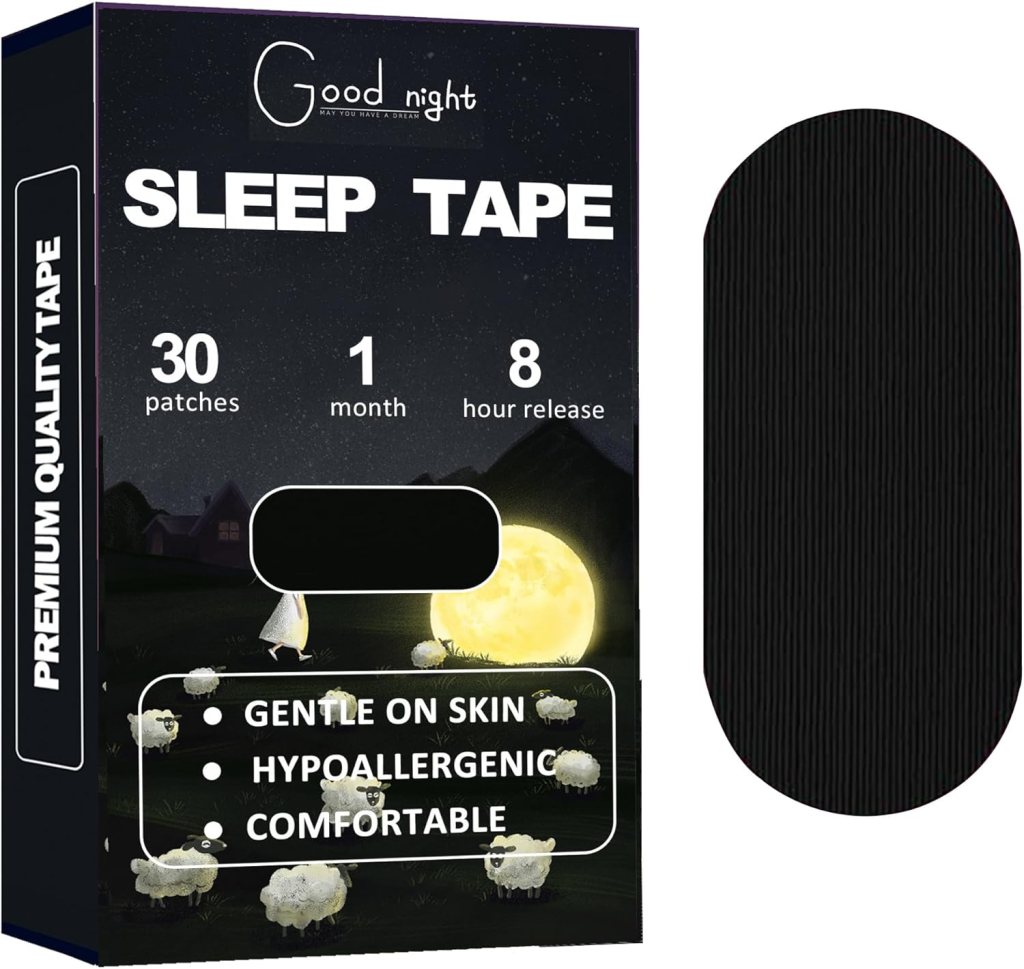
If you’re ready to give mouth taping a try, here are some highly rated options on Amazon:

Final Thoughts: Should You Try Mouth Taping?
Mouth taping might sound bizarre at first, but many people swear by it for improving sleep, reducing snoring, and boosting overall health. While the science behind nasal breathing is solid, mouth taping itself still needs more research.
Mouth taping is a personal choice, and we’re not here to tell you what to do. Everyone’s body is different, so if you’re curious about trying it, do what feels right for you and always listen to your body. And of course, if you have any medical concerns, check with a doctor first!
Have you ever tried mouth taping? Let me know in the comments! And don’t forget to check out more of our wellness blog posts for other unique health tips. 😊
 For body and mind
Leave a comment