
Introduction
Blue light is everywhere—in sunlight, LED lights, and digital screens like phones, tablets, and computers. While natural blue light helps regulate your sleep-wake cycle and boosts alertness during the day, too much artificial blue light can have negative effects on your health. It can disrupt sleep, strain your eyes, and even trigger headaches. If you’ve ever felt discomfort after staring at a screen too long, blue light may be to blame. In this post, we’ll dive into the effects of blue light and share practical ways to protect yourself.
The Effects of Blue Light
Blue Light and Sleep Disruption
Your body’s internal clock, or circadian rhythm, relies on natural light cues to regulate sleep. Exposure to blue light at night tricks your brain into thinking it’s still daytime, reducing melatonin production—the hormone that helps you sleep. This can lead to trouble falling and staying asleep, resulting in fatigue and grogginess the next day.
Studies have shown that even small amounts of blue light exposure before bed can reduce total sleep time and affect sleep quality. This is why sleep experts recommend reducing screen time in the evening and switching to warmer lighting before bed.
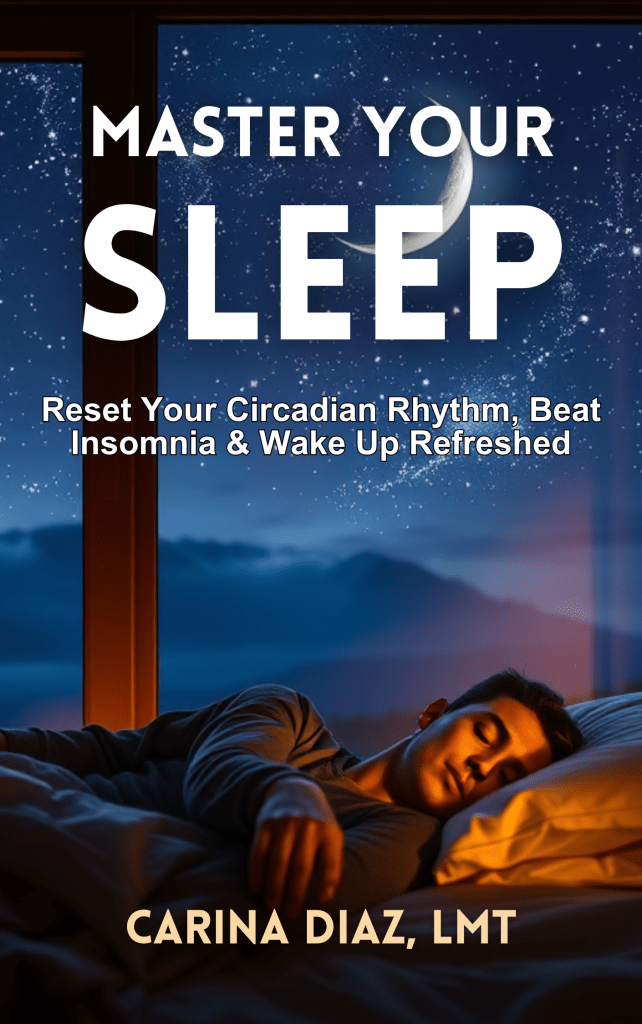
Understanding the impact of blue light is just one step toward better sleep. If you want to optimize your rest and wake up refreshed, check out my ebook, Master Your Sleep, available now on Apple Books.
Blue Light and Eye Strain
Staring at screens for long periods can lead to digital eye strain, also known as computer vision syndrome. Symptoms include dry eyes, blurred vision, and discomfort. Blue light contributes to this by causing the eyes to work harder to focus.
One reason blue light is so problematic is that it scatters more than other types of visible light. This makes it harder for the eyes to focus, leading to increased strain. Over time, prolonged exposure can make symptoms worse, making it essential to take breaks and use protective measures.
Blue Light and Headaches
Excessive exposure to blue light, especially from screens, can lead to headaches and migraines. The high-energy light wavelengths increase eye strain, which can trigger tension headaches in sensitive individuals. People who are already prone to migraines may find that blue light worsens their symptoms.
Research suggests that people who suffer from light sensitivity, also known as photophobia, may experience an increase in migraines due to blue light exposure. This is why migraine sufferers are often advised to wear blue light blocking glasses and reduce screen brightness to prevent discomfort.
💡 Affiliate Disclaimer: This post contains affiliate links. If you purchase through these links, we may earn a small commission at no extra cost to you. Thank you for supporting our content!
Tips to Reduce Blue Light Exposure
Although blue light exposure is unavoidable, there are ways to minimize its negative effects.
- Wear Blue Light Blocking Glasses: These glasses filter out blue light and can help reduce eye strain and improve sleep. (Check out these blue light blocking glasses on Amazon.)
- Use Screen Filters: Screen protectors designed to reduce blue light can make a difference without affecting screen clarity. (Try this blue light screen protector for computers.)
- Follow the 20-20-20 Rule: Every 20 minutes, look at something 20 feet away for 20 seconds to reduce eye strain.
- Adjust Device Settings: Lower your screen’s brightness and turn on night mode to reduce blue light exposure.
- Use Blue Light Filter Apps: There are apps available that automatically adjust screen colors to reduce blue light in the evening.
- Limit Screen Time Before Bed: Try to avoid screens at least an hour before sleep to improve melatonin production and sleep quality.
- Use Proper Lighting: Opt for warm lighting instead of bright white or LED bulbs, especially in the evening.
- Take Regular Breaks: If you work at a computer for long hours, take frequent breaks to rest your eyes and reduce strain.
- Use Artificial Tears: Staring at screens reduces blinking, which can cause dry eyes. Artificial tears can help keep your eyes comfortable.
Conclusion
Blue light exposure is a part of modern life, but taking small steps to manage it can prevent sleep issues, eye strain, and headaches. Whether it’s wearing blue light glasses, using screen filters, or adjusting screen settings, protecting your eyes and health is easier than you think.
By being mindful of your screen time and making small adjustments, you can minimize the negative effects of blue light while still enjoying the benefits of modern technology.
Have you noticed any effects of blue light in your daily life? Drop a comment below and explore more of our posts for helpful tips on health and wellness!

Why Cold Weather Doesn’t Make You Sick (And Why You Still Get Colds in Winter)
Cold weather doesn’t actually make you sick — viruses do. So why do colds seem to show up every winter? This post breaks down the science behind cold temperatures, immune defenses, and why winter creates the perfect conditions for getting sick — without weakening your immune system.
Keep reading

The Healing Power of Plants: Best Houseplants for Cleaner Air & Better Focus
Bringing a few houseplants into your home can do so much more than make a room look pretty. Some plants naturally clean the air, others help create a calmer atmosphere, and a few can even support better focus throughout the day. In this post, we’ll explore some of the easiest, most nurturing plants to grow…
Keep reading

Start Your Day the Natural Way: 7 Morning Rituals to Boost Energy & Mood
Start your mornings on a softer, more natural note with simple rituals that help boost your energy and lift your mood—without stress or perfection. These gentle habits bring a little peace, grounding, and joy into the very first moments of your day. Perfect for anyone who wants mornings to feel calmer, kinder, and a lot…
Keep reading
 For body and mind
Leave a comment