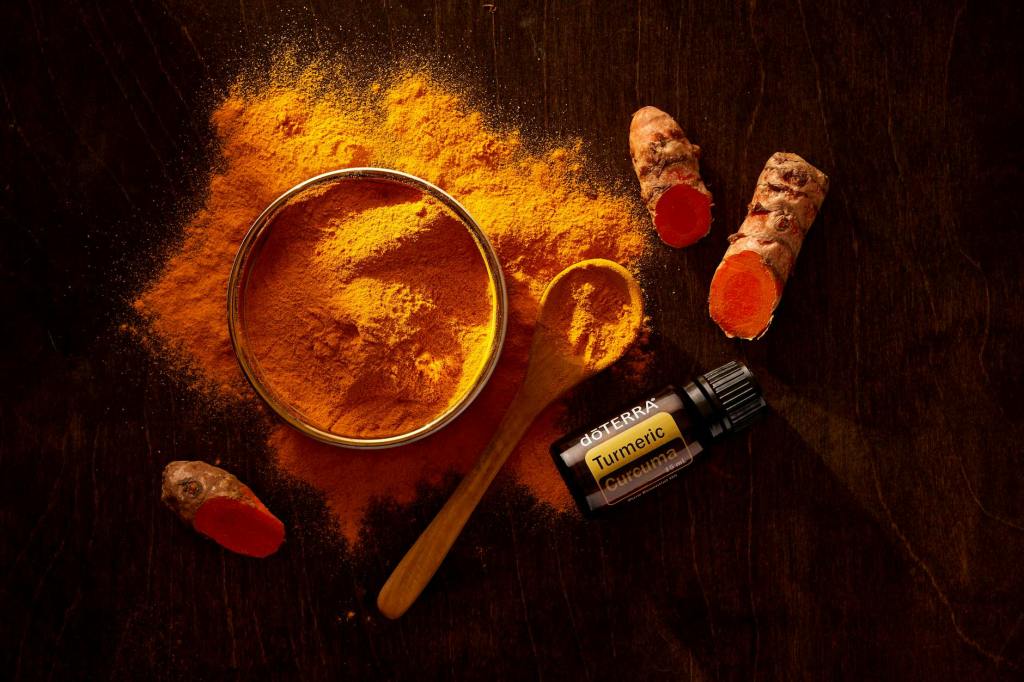
Turmeric has been used for centuries in Ayurvedic and traditional medicine, and modern science is catching up to its benefits. But how does it actually work? Can it help with inflammation, arthritis, headaches, and digestion? And how should you take it for the best results? Let’s dive into the details!
Disclaimer: This post contains affiliate links. If you purchase through these links, I may earn a small commission at no extra cost to you. Thank you for supporting my blog!
How Turmeric Works for Inflammation
The key to turmeric’s power is curcumin, its active compound. Curcumin has strong anti-inflammatory and antioxidant properties, which help reduce chronic inflammation in the body. Inflammation is a major contributor to conditions like arthritis, headaches, and digestive issues.
Curcumin works by blocking NF-kB, a molecule that turns on inflammation-related genes. Some studies suggest that its effects can be comparable to certain anti-inflammatory drugs but without the side effects.
How to Use Turmeric for Inflammation
- Golden milk (recipe below)
- Turmeric tea
- Turmeric supplements
- Adding turmeric to food (curries, soups, smoothies)
If you’re looking for a high-quality turmeric supplement, check out this Organic Turmeric Curcumin with Black Pepper on Amazon.
Turmeric for Arthritis: Does It Really Help?
Arthritis is characterized by joint pain and stiffness caused by inflammation. Studies have shown that curcumin can help reduce joint pain and improve mobility in people with osteoarthritis and rheumatoid arthritis.
How to Take Turmeric for Arthritis
- Supplements: A concentrated dose ensures you get enough curcumin to make a difference.
- Golden milk: Helps with joint stiffness when taken regularly.
- Turmeric paste: Mix turmeric powder with water and apply it to swollen joints for topical relief.
For a trusted supplement, check out Turmeric Curcumin with BioPerine to enhance absorption.
Turmeric for Headaches
Turmeric’s anti-inflammatory properties may help with headaches, especially migraines. Curcumin reduces oxidative stress and supports healthy blood flow, which can ease tension and inflammation in the brain.
How to Use It for Headaches
- Drink turmeric tea
- Take a curcumin supplement
- Apply a turmeric paste to the temples
- Combine with ginger (recipe below), another natural headache remedy
Do You Really Need Black Pepper for Turmeric to Work?
Yes! Curcumin has low bioavailability, meaning your body struggles to absorb it. Black pepper contains piperine, which enhances absorption by up to 2,000%.
When taking turmeric, always pair it with:
- Black pepper (or supplements that contain piperine)
- Healthy fats like coconut oil or avocado to improve absorption
If you want a supplement that includes piperine for better absorption, try this Turmeric + Black Pepper blend.
Turmeric Tea vs. Supplements: Which Is Better?
Tea: Best for mild inflammation and digestion support. Drinking turmeric tea daily can be beneficial but doesn’t provide a high dose of curcumin.
Supplements: More effective for chronic conditions like arthritis or severe inflammation because they offer concentrated curcumin.
If you want an easy-to-make tea, try this Turmeric Ginger Tea.
Dosage, Precautions, and Side Effects
How Much Turmeric Should You Take?
- Powder: 1-2 teaspoons per day (in food, tea, or golden milk)
- Supplement: 500-1,000 mg curcumin per day (with black pepper)
Precautions & Side Effects
- Can cause acid reflux or stomach upset in some people
- May thin blood, so avoid before surgery or if you’re on blood thinners
- Consult your doctor if pregnant, breastfeeding, or taking medications
Turmeric and Digestion: Acid Reflux Concerns
Turmeric is known to aid digestion by stimulating bile production, which can help with bloating and gas. However, if you have acid reflux, be cautious. Turmeric can increase stomach acid, which may worsen symptoms for some people.
Should You Take Turmeric for Acid Reflux?
- If you have mild reflux, small amounts in food may help.
- If turmeric worsens your symptoms, try taking it with food to reduce irritation.
- Monitor your body’s response and adjust accordingly.
Golden Milk Recipe (Turmeric Latte)
Golden milk is a delicious way to enjoy the benefits of turmeric. Here’s an easy recipe:
Ingredients:
- 1 cup unsweetened almond or coconut milk
- 1 tsp turmeric powder
- 1/4 tsp black pepper
- 1/2 tsp cinnamon (optional, for flavor)
- 1 tsp honey or maple syrup (optional)
- 1/2 tsp coconut oil (helps absorption)
Instructions:
- Heat the milk in a saucepan over low heat.
- Add turmeric, black pepper, cinnamon, and coconut oil.
- Stir well and let it simmer for 5 minutes.
- Remove from heat and add honey or maple syrup.
- Enjoy warm!
For an easy turmeric powder to use, check out this Organic Turmeric Powder.
Turmeric Ginger Tea Recipe
This soothing tea combines turmeric and ginger for powerful anti-inflammatory and digestive benefits.
Ingredients:
- 2 cups water
- 1 tsp turmeric powder (or freshly grated turmeric root)
- 1 tsp freshly grated ginger
- 1/4 tsp black pepper
- 1 tsp honey or lemon juice (optional, for flavor)
Instructions:
- Bring water to a boil in a small pot.
- Add turmeric, ginger, and black pepper.
- Reduce heat and let simmer for 10 minutes.
- Strain into a cup and add honey or lemon juice if desired.
- Enjoy warm!
For a ready-made option, check out this Turmeric-Ginger-Black Pepper Tea.
Final Thoughts
Turmeric is a powerful natural remedy for inflammation, arthritis, headaches, and digestion. Whether you choose to drink golden milk, take supplements, or cook with turmeric, be sure to pair it with black pepper for maximum absorption.
Have you tried turmeric for any of these issues? Let me know in the comments! And don’t forget to check out more health and wellness tips on our blog!

Why Cold Weather Doesn’t Make You Sick (And Why You Still Get Colds in Winter)
Cold weather doesn’t actually make you sick — viruses do. So why do colds seem to show up every winter? This post breaks down the science behind cold temperatures, immune defenses, and why winter creates the perfect conditions for getting sick — without weakening your immune system.
Keep reading

The Healing Power of Plants: Best Houseplants for Cleaner Air & Better Focus
Bringing a few houseplants into your home can do so much more than make a room look pretty. Some plants naturally clean the air, others help create a calmer atmosphere, and a few can even support better focus throughout the day. In this post, we’ll explore some of the easiest, most nurturing plants to grow…
Keep reading

Start Your Day the Natural Way: 7 Morning Rituals to Boost Energy & Mood
Start your mornings on a softer, more natural note with simple rituals that help boost your energy and lift your mood—without stress or perfection. These gentle habits bring a little peace, grounding, and joy into the very first moments of your day. Perfect for anyone who wants mornings to feel calmer, kinder, and a lot…
Keep reading
Something went wrong. Please refresh the page and/or try again.
 For body and mind
Leave a comment