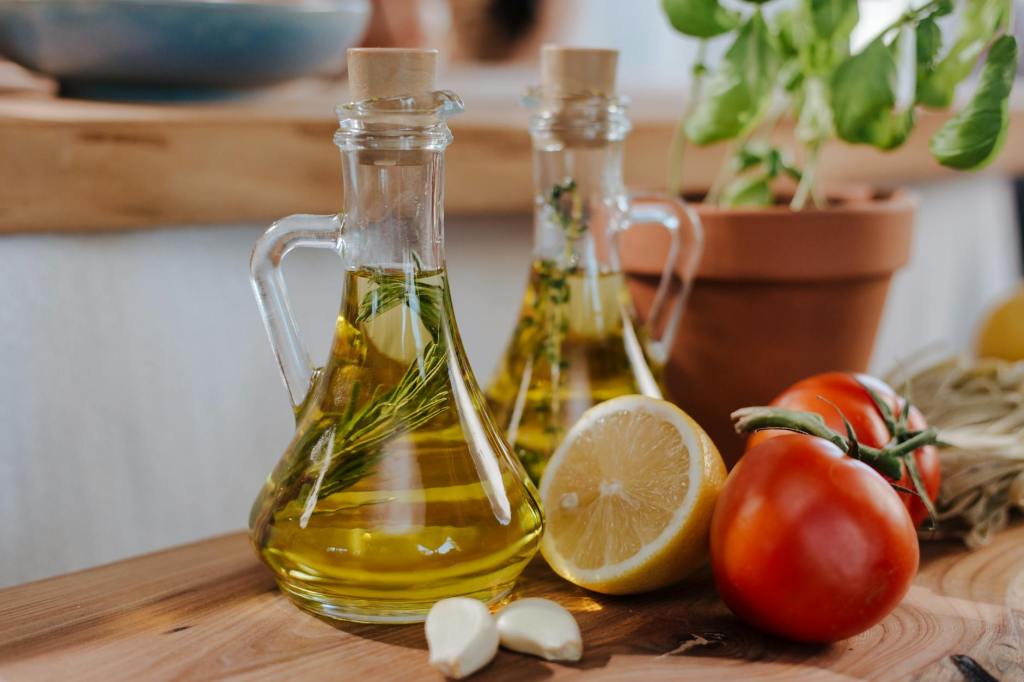
When it comes to heart health, the type of oil you use in your cooking can make a big difference. Some oils help lower cholesterol and reduce inflammation, while others contribute to heart disease. Choosing the right oils can support your cardiovascular system and improve overall wellness. In this guide, we’ll break down the best cooking oils for heart health and the ones you should avoid. Plus, we’ll share practical tips for swapping unhealthy fats for better alternatives.
Disclaimer: This article contains affiliate links. If you purchase through these links, we may earn a small commission at no extra cost to you. Thank you for supporting our content!
The Best Cooking Oils for Heart Health
The best heart-healthy oils contain unsaturated fats, which help lower bad cholesterol (LDL) and increase good cholesterol (HDL). Here are the top choices:
1. Extra Virgin Olive Oil
Olive oil is one of the healthiest oils available. Rich in monounsaturated fats and antioxidants, it helps reduce inflammation and lower the risk of heart disease. It’s best used for low- to medium-heat cooking and as a dressing for salads and vegetables.
Best Pick: Organic Extra Virgin Olive Oil
2. Avocado Oil
Avocado oil has a high smoke point, making it great for cooking at higher temperatures. It contains heart-healthy monounsaturated fats and vitamin E, which supports cardiovascular function.
Best Pick: Pure Avocado Oil
3. Flaxseed Oil
Flaxseed oil is packed with omega-3 fatty acids, which help reduce blood pressure and inflammation. It’s best used in dressings and smoothies rather than cooking, as heat can degrade its nutrients.
Best Pick: Organic Flaxseed Oil
4. Walnut Oil
Walnut oil is another great source of omega-3s and polyunsaturated fats, promoting better cholesterol levels. It has a nutty flavor, making it perfect for drizzling over salads or adding to dips.
Best Pick: Cold-Pressed Walnut Oil
5. Sesame Oil (Unrefined)
Unrefined sesame oil contains healthy fats and antioxidants that help reduce inflammation and support heart function. It works well in stir-fries and marinades.
Best Pick: Organic Unrefined Sesame Oil
The Worst Cooking Oils for Heart Health
Certain oils are high in unhealthy fats and can contribute to inflammation, high cholesterol, and heart disease. Here are the ones to avoid:
1. Partially Hydrogenated Oils (Trans Fats)
Trans fats are the worst type of fat for heart health. They raise bad cholesterol and lower good cholesterol, increasing the risk of heart disease. These oils are often found in margarine, processed snacks, and fried foods.
2. Vegetable Oils (Highly Processed)
Many vegetable oils, such as soybean, corn, and canola oil, undergo heavy processing and contain high amounts of omega-6 fatty acids, which can promote inflammation. While some omega-6s are necessary, excessive intake can be harmful.
3. Palm Oil
Palm oil is commonly used in processed foods and has a high saturated fat content, which can raise LDL cholesterol. Additionally, its production contributes to environmental issues.
4. Cottonseed Oil
Cottonseed oil is high in saturated fats and omega-6 fatty acids, making it one of the worst choices for heart health.
5. Butter and Lard
Animal-based fats like butter and lard are high in saturated fats, which can contribute to heart disease when consumed in excess. While some natural saturated fats may be fine in moderation, replacing them with heart-healthy oils is a better choice.
How to Swap Unhealthy Oils for Healthier Alternatives
Making small changes in your cooking habits can have a big impact on heart health. Here are some easy swaps:
- Use extra virgin olive oil instead of margarine on toast or in recipes.
- Cook with avocado oil instead of vegetable oil for high-heat cooking.
- Replace butter with walnut oil or flaxseed oil in salad dressings.
- Use unrefined sesame oil instead of soybean oil for stir-frying.
Final Thoughts
Choosing the right cooking oils is a simple yet powerful way to protect your heart. Prioritize oils rich in unsaturated fats, such as olive oil and avocado oil, while avoiding highly processed vegetable oils and trans fats. By making mindful swaps, you can enjoy flavorful meals while supporting your cardiovascular health.
Which oils do you use in your cooking? Let us know in the comments! For more health and wellness tips, check out our other blog posts.

Why Cold Weather Doesn’t Make You Sick (And Why You Still Get Colds in Winter)
Cold weather doesn’t actually make you sick — viruses do. So why do colds seem to show up every winter? This post breaks down the science behind cold temperatures, immune defenses, and why winter creates the perfect conditions for getting sick — without weakening your immune system.
Keep reading

The Healing Power of Plants: Best Houseplants for Cleaner Air & Better Focus
Bringing a few houseplants into your home can do so much more than make a room look pretty. Some plants naturally clean the air, others help create a calmer atmosphere, and a few can even support better focus throughout the day. In this post, we’ll explore some of the easiest, most nurturing plants to grow…
Keep reading

Start Your Day the Natural Way: 7 Morning Rituals to Boost Energy & Mood
Start your mornings on a softer, more natural note with simple rituals that help boost your energy and lift your mood—without stress or perfection. These gentle habits bring a little peace, grounding, and joy into the very first moments of your day. Perfect for anyone who wants mornings to feel calmer, kinder, and a lot…
Keep reading

Perimenopause 101: What’s Happening to Your Body (And Signs You Might Already Be In It)
Wondering if you’re in perimenopause? Learn the early signs, what’s happening in your body, and how to recognize this natural life transition—plus a teaser for natural support tips coming soon.
Keep reading

Natural PMS Relief: Real Remedies That Don’t Involve Painkillers
Struggling with PMS every month? You’re not alone—and you don’t have to rely on painkillers to feel better. In this post, we explore gentle, natural remedies for PMS relief, including supportive herbs, essential oils, foods, and lifestyle tips that actually help. Written with care and understanding, this guide is like a conversation with a friend…
Keep reading
Something went wrong. Please refresh the page and/or try again.
 For body and mind
Leave a comment