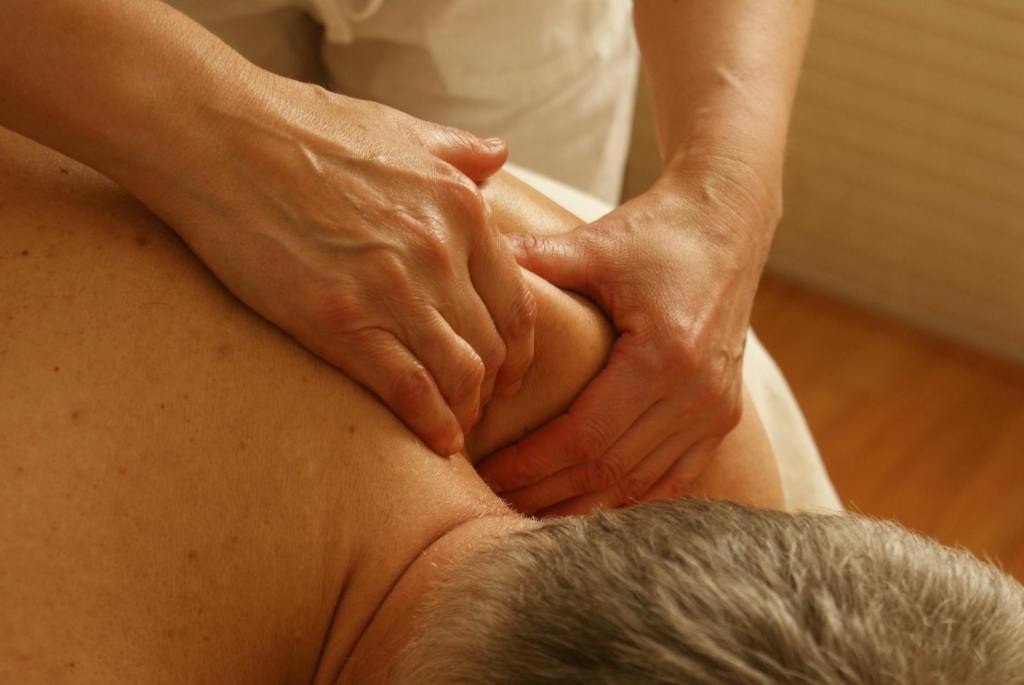
Living with chronic pain can feel like carrying a heavy backpack you can’t put down. Whether it’s due to conditions like fibromyalgia, arthritis, or lingering injuries, chronic pain doesn’t just affect your body—it can wear down your mind and spirit, too. But here’s some good news: massage therapy can be a game-changer in managing chronic pain, offering natural relief without the need for constant medication.
In this blog post, we’ll dive into how massage therapy can help manage chronic pain, the different types of massage techniques that work best, and some handy products you can use at home to complement your massage routine.
How Does Massage Therapy Help with Chronic Pain?
Massage therapy isn’t just about relaxation (though that’s a nice bonus!). It’s a therapeutic practice that can improve circulation, reduce muscle tension, and stimulate the release of endorphins—your body’s natural painkillers. When done regularly, massage can help break the cycle of pain and stress that often comes with chronic conditions.
Key Benefits of Massage for Chronic Pain:
- Improved Blood Flow: Better circulation means more oxygen and nutrients reach your muscles, helping them heal faster.
- Reduced Muscle Tension: Massage helps relax tight muscles, reducing the strain that can cause or worsen pain.
- Endorphin Boost: The feel-good hormones released during a massage can naturally decrease your perception of pain.
- Stress Relief: Chronic pain can be emotionally draining. Massage helps calm the nervous system, reducing stress and anxiety.
Best Types of Massage for Chronic Pain
While any massage can feel good, certain techniques are especially effective for managing chronic pain:
1. Swedish Massage
This is a gentle, relaxing massage that uses long, flowing strokes to ease tension. It’s great if you’re new to massage or have widespread pain.
2. Deep Tissue Massage
This technique targets deeper layers of muscle and connective tissue. It’s helpful for chronic muscle pain, but it can be intense—so be sure to communicate with your therapist about pressure levels.
3. Trigger Point Therapy
If you have “knots” that cause pain in other areas of your body (referred pain), trigger point therapy can help. The therapist applies focused pressure to these points to release tension.
4. Myofascial Release
This technique targets the fascia—the connective tissue surrounding muscles. Gentle, sustained pressure helps relieve tightness and improve mobility.
5. Hot Stone Massage
The heat from smooth, warm stones can relax muscles deeply, allowing the therapist to work more effectively with less discomfort.
Can You Do Massage Therapy at Home?
Absolutely! While professional massage therapy is fantastic, you can also incorporate self-massage techniques at home to manage chronic pain between sessions. Plus, there are some amazing products that can help you get the most out of your self-care routine.
Disclaimer:
Some of the products mentioned below include affiliate links, which means I may earn a small commission at no extra cost to you if you make a purchase. Thank you for supporting my content—it helps me keep sharing helpful tips with you!
Must-Have Massage Tools for Chronic Pain Relief
This compact percussion massager is perfect for targeting sore muscles with deep, rapid vibrations. It’s great for relieving tension in hard-to-reach areas like the shoulders and lower back.
2. Foam Roller
Foam rollers are fantastic for self-myofascial release. Rolling out your back, thighs, and calves can help reduce muscle tightness and improve flexibility.
These small, firm balls are ideal for trigger point therapy. Just place the ball between your body and a wall (or the floor) and apply gentle pressure to work out stubborn knots.
A heated massage pillow can provide soothing warmth and kneading massage for your neck, shoulders, or lower back—perfect after a long day.
While not a massage tool per se, soaking in an Epsom salt bath after a massage can help relax your muscles even further and ease soreness.
Tips for Getting the Most Out of Massage Therapy
- Communicate with Your Therapist: Always let your massage therapist know about your pain levels, sensitive areas, and what feels good (or not).
- Consistency is Key: Regular massage sessions can provide more lasting relief than occasional treatments.
- Hydrate: Drink plenty of water after a massage to help flush out toxins released from your muscles.
- Combine with Other Therapies: Massage works great alongside physical therapy, stretching, gentle exercise, and mindfulness practices.
Final Thoughts
Chronic pain can be overwhelming, but massage therapy offers a natural, effective way to manage your symptoms and improve your quality of life. Whether you visit a professional therapist or use self-massage techniques at home, the key is to listen to your body and find what works best for you.
Do you have experience with massage therapy for chronic pain? I’d love to hear your thoughts, tips, or questions in the comments below! And don’t forget to check out more of our blog posts for helpful wellness tips.

Why Cold Weather Doesn’t Make You Sick (And Why You Still Get Colds in Winter)
Cold weather doesn’t actually make you sick — viruses do. So why do colds seem to show up every winter? This post breaks down the science behind cold temperatures, immune defenses, and why winter creates the perfect conditions for getting sick — without weakening your immune system.
Keep reading

The Healing Power of Plants: Best Houseplants for Cleaner Air & Better Focus
Bringing a few houseplants into your home can do so much more than make a room look pretty. Some plants naturally clean the air, others help create a calmer atmosphere, and a few can even support better focus throughout the day. In this post, we’ll explore some of the easiest, most nurturing plants to grow…
Keep reading

Start Your Day the Natural Way: 7 Morning Rituals to Boost Energy & Mood
Start your mornings on a softer, more natural note with simple rituals that help boost your energy and lift your mood—without stress or perfection. These gentle habits bring a little peace, grounding, and joy into the very first moments of your day. Perfect for anyone who wants mornings to feel calmer, kinder, and a lot…
Keep reading

Perimenopause 101: What’s Happening to Your Body (And Signs You Might Already Be In It)
Wondering if you’re in perimenopause? Learn the early signs, what’s happening in your body, and how to recognize this natural life transition—plus a teaser for natural support tips coming soon.
Keep reading
 For body and mind
Leave a comment