This post includes a few product recommendations from Amazon. If you purchase through these links, we may earn a small commission at no extra cost to you. Thanks for supporting our work and helping us keep sharing holistic wellness tips!
Cupping therapy might look a little strange at first—those round marks left on the skin have definitely raised eyebrows—but this practice has been around for thousands of years. And today, it’s making a quiet comeback not because of celebrity buzz, but because people are actually feeling the benefits.
So what is cupping, what does science say about it, and can you safely try it at home? Let’s break it down.
What Is Cupping Therapy?
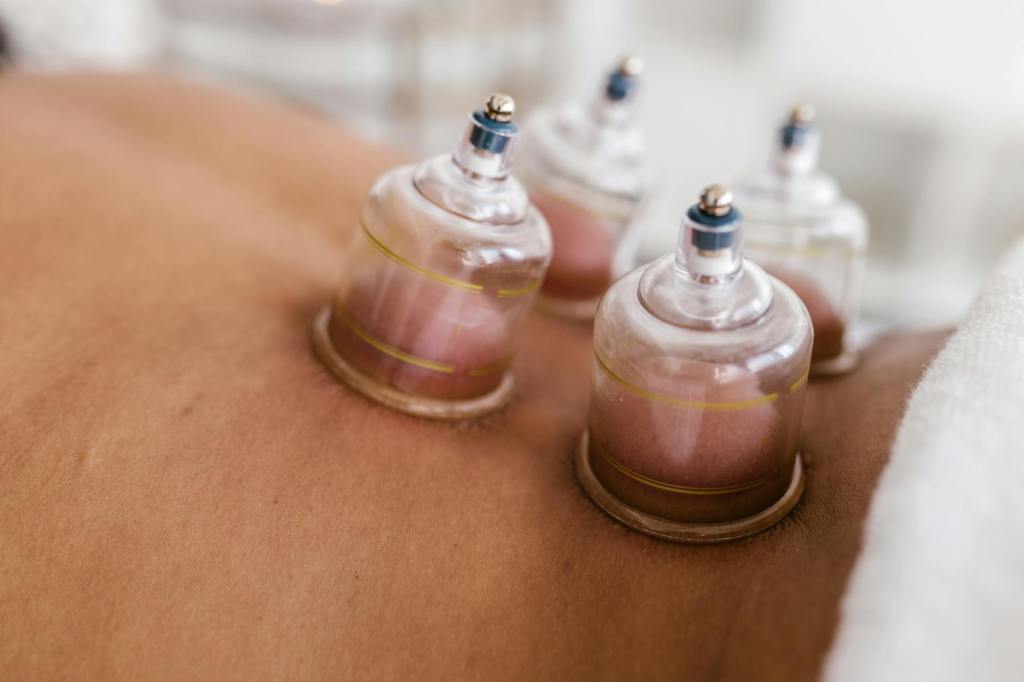
Cupping therapy is a traditional healing technique that involves placing special cups on the skin to create suction. This suction gently pulls the skin and tissue upward, which may help increase blood flow, release muscle tension, and support natural detox processes.
There are different types of cupping, including:
- Dry cupping: Uses suction only
- Wet cupping: Involves light skin pricking after suction (not recommended for home use)
- Massage cupping: Moving the cups around to create a deep-tissue massage effect
A Quick History
Cupping dates back to ancient Egypt, China, and the Middle East. Traditional Chinese Medicine (TCM) often uses cupping to help with stagnation of qi (energy) and blood, which in TCM theory, can cause pain and illness.
What Does the Science Say?
While more research is still needed, there are several studies that show potential benefits of cupping therapy:
✅ A 2021 systematic review found that cupping may help reduce chronic neck and back pain more effectively than some conventional treatments.
✅ Research also suggests it can support muscle recovery, reduce inflammation, and even improve circulation.
✅ One study from 2015 showed reduced pain in people with conditions like fibromyalgia and osteoarthritis after regular cupping sessions.
Some researchers believe cupping works by triggering the body’s healing response: increased blood flow to the area, reduced oxidative stress, and stimulation of the immune and lymphatic systems.
Common Reasons People Use Cupping
- Back, shoulder, and neck tension
- Muscle soreness after workouts
- Headaches
- Poor circulation
- Fatigue
- Stress relief
Can You Do Cupping at Home?
Yes—dry cupping and massage cupping can be safely done at home with the right tools and some basic guidance. You don’t need to be a professional to benefit from it, but you do need to follow a few key safety steps.
That said, if you’re dealing with chronic pain, underlying health issues, or you’re simply unsure where to begin, it’s a good idea to try a session with a licensed massage therapist, acupuncturist, or other trained practitioner first. They can personalize the treatment to your needs, answer questions, and make sure you’re using cupping in the safest, most effective way.
What You’ll Need:
- A quality cupping set (either silicone or plastic pump-style)
- Body oil or lotion for glide
- A quiet, relaxing space
👉 Cupping Set Recommendation: Lure Essentials EDGE Cupping Therapy Set – This silicone set is beginner-friendly, comfortable, and great for massage cupping.
How to Do Cupping Therapy at Home
- Clean the area of skin you’ll be working on—typically the back, shoulders, thighs, or calves.
- Apply a light oil or lotion to help the cups glide smoothly.
- Place the cup on your skin and either squeeze (for silicone) or use the pump (for plastic sets) to create suction.
- For massage cupping, gently glide the cups over tight or sore muscles in slow, steady motions.
- For stationary cupping, leave the cups in place for 5–10 minutes, then remove them.
- Drink water after your session to help flush out any released toxins.
Tips:
- Start with light suction until you get used to the feeling.
- Never cup over broken skin, varicose veins, or directly over the spine.
- Slight redness or circular marks are normal and usually fade in a few days.
Is Cupping Right for You?
Most people tolerate cupping well, but it’s not for everyone. Avoid it if you:
- Are pregnant (without guidance from a trained pro)
- Have bleeding disorders or are on blood thinners
- Have skin infections or open wounds
When done with care, cupping therapy can be a simple and relaxing way to support your body naturally.
Final Thoughts
Cupping therapy isn’t just an ancient curiosity—it’s a time-tested tool that many people use to feel better, recover faster, and relax more deeply. While it’s not a miracle cure, the science and personal experiences suggest it can make a real difference, especially when used regularly and correctly.
Whether you visit a trained practitioner or explore at-home cupping, this is one natural therapy that blends beautifully into modern self-care.
Have you tried cupping before? Or are you thinking about giving it a go? Let us know in the comments—and don’t forget to check out more of our posts for easy, natural ways to support your health and well-being.

Why Cold Weather Doesn’t Make You Sick (And Why You Still Get Colds in Winter)
Cold weather doesn’t actually make you sick — viruses do. So why do colds seem to show up every winter? This post breaks down the science behind cold temperatures, immune defenses, and why winter creates the perfect conditions for getting sick — without weakening your immune system.
Keep reading

The Healing Power of Plants: Best Houseplants for Cleaner Air & Better Focus
Bringing a few houseplants into your home can do so much more than make a room look pretty. Some plants naturally clean the air, others help create a calmer atmosphere, and a few can even support better focus throughout the day. In this post, we’ll explore some of the easiest, most nurturing plants to grow…
Keep reading

Start Your Day the Natural Way: 7 Morning Rituals to Boost Energy & Mood
Start your mornings on a softer, more natural note with simple rituals that help boost your energy and lift your mood—without stress or perfection. These gentle habits bring a little peace, grounding, and joy into the very first moments of your day. Perfect for anyone who wants mornings to feel calmer, kinder, and a lot…
Keep reading

Perimenopause 101: What’s Happening to Your Body (And Signs You Might Already Be In It)
Wondering if you’re in perimenopause? Learn the early signs, what’s happening in your body, and how to recognize this natural life transition—plus a teaser for natural support tips coming soon.
Keep reading
 For body and mind
Leave a comment