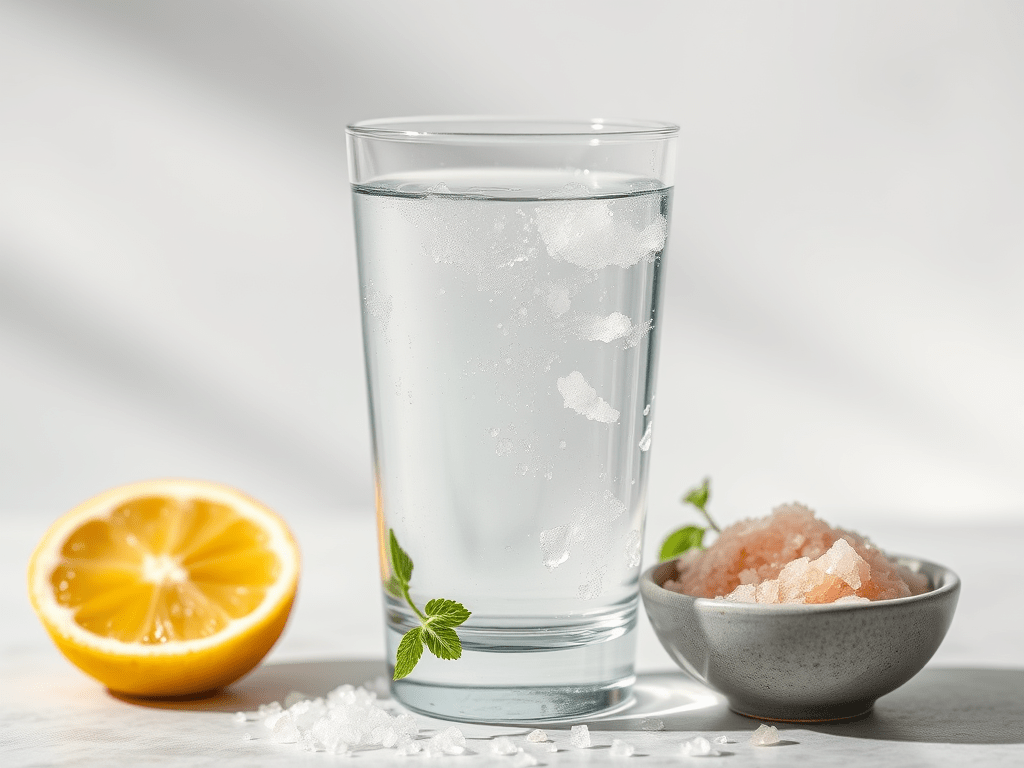
When you think about your morning beverage, you might imagine coffee, tea, or maybe a smoothie. But for some people, the first thing they reach for isn’t a warm mug or sweet sip — it’s a glass of salt water. That’s right, drinking salt water in the morning has become a popular health trend, especially among those who are into natural wellness and detox routines.
But what’s the deal with this salty habit? Is it really healthy, or just another fad? And most importantly — should you try it?
Let’s dive into the facts, benefits, possible downsides, and how to safely experiment if you’re curious.
What Is Morning Salt Water Drinking, Exactly?
Drinking salt water in the morning typically means mixing a small amount of unrefined sea salt (like Himalayan pink salt or Celtic sea salt) into a glass of warm or room temperature water and drinking it on an empty stomach.
This mixture is often called “sole water” (pronounced so-lay), especially when the salt is saturated in the water beforehand.
Common Recipe:
- 8–12 oz of filtered, room-temperature water
- 1/4 to 1/2 teaspoon of high-quality unrefined salt
Why Do People Drink Salt Water in the Morning?
There are a few reasons this practice has become popular, especially in the holistic and wellness community.
1. Hydration Boost
Salt helps the body absorb water more effectively. When you drink plain water, some of it may pass through your system quickly. But adding a pinch of natural salt can help your cells absorb and retain the water better, especially after a night of sleep.
2. Electrolyte Replenishment
Natural salts like Himalayan and Celtic sea salt contain electrolytes — minerals like sodium, potassium, magnesium, and calcium — that are essential for nerve function, muscle movement, and fluid balance. Drinking a little salt water first thing in the morning can gently replenish these minerals, especially if you sweat a lot or follow a low-sodium diet.
3. Improved Digestion
Salt water may stimulate the production of stomach acid and digestive enzymes, which can support smoother digestion throughout the day. Some people say it helps with bloating, constipation, and sluggish digestion.
4. Natural Detox Support
While “detox” is a buzzword, salt water may support gentle elimination by promoting bowel movements and encouraging lymphatic flow. It’s not a magic detox cure, but it can support the body’s natural detox systems when paired with healthy habits.
5. Adrenal and Hormonal Support
Chronic stress can deplete minerals like sodium and magnesium. A small dose of salt water may help support adrenal function, especially for people feeling tired, anxious, or “wired but tired” in the morning.
What Kind of Salt Should You Use?
Not all salt is created equal. The type of salt you use matters. Table salt (the kind found in most salt shakers) is heavily processed and stripped of trace minerals. It often contains anti-caking agents and sometimes even sugar.
Instead, you want a mineral-rich, unrefined salt, like:
- 🧂 Himalayan Pink Salt – mined from ancient sea beds and rich in over 80 trace minerals.
- 🧂 Celtic Sea Salt – gray in color and harvested from coastal France, also high in minerals.
Affiliate Disclaimer: This post contains affiliate links to products on Amazon. If you make a purchase through these links, we may earn a small commission at no extra cost to you. Thank you for supporting our work!
Is It Safe for Everyone?
In small amounts, drinking salt water can be safe for many healthy adults — but it’s not the right choice for everyone.
Here are a few important things to keep in mind:
- Start small. Stick to no more than 1/4 to 1/2 teaspoon of natural salt in a glass of water. More than that could upset your stomach or lead to too much sodium in your system.
- If you have any health conditions — especially high blood pressure, kidney issues, or are on a low-sodium diet — it’s essential to check with your doctor first.
- If you’re pregnant, nursing, taking medications, or just unsure if this is right for you, talk to your healthcare provider before trying it. Everyone’s body is different, and it’s always okay to ask questions.
When in doubt, consult a professional — especially if you’re starting something new that affects hydration, minerals, or digestion.
How to Make Salt Water a Healthy Morning Ritual
If you’d like to try drinking salt water in the morning, here’s a safe and simple way to start:
- Use high-quality salt (Himalayan or Celtic).
- Mix 1/4 to 1/2 teaspoon of salt into a glass of warm, filtered water.
- Stir until dissolved.
- Drink it slowly on an empty stomach.
- Wait 20–30 minutes before eating breakfast.
Many people say they feel more hydrated, more energized, and have better digestion when they drink it regularly — but again, your experience may vary.
Alternatives If You’re Not a Fan of Salt Water
If the idea of salty water doesn’t appeal to you, there are other ways to get a similar boost:
- 🍋 Lemon water – helps stimulate digestion and adds vitamin C.
- 🥥 Coconut water – naturally rich in electrolytes.
- 🧴 Electrolyte drops or tablets – can be added to water without salt.
- 🧃 Herbal mineral broths – offer a warm, nourishing way to start the day.
Final Thoughts: Should You Drink Salt Water in the Morning?
Drinking a small amount of salt water in the morning can offer real benefits, like better hydration, improved digestion, and gentle mineral support. But it’s not a one-size-fits-all solution — and it’s perfectly okay to skip it if it doesn’t feel right for you.
If you’re curious but unsure, check with your doctor or a qualified healthcare provider first. A little guidance goes a long way when it comes to your health.
Have you tried drinking salt water in the morning? Share your experience in the comments below! And if you enjoyed this post, don’t forget to check out more of our wellness articles on the blog.

Why Cold Weather Doesn’t Make You Sick (And Why You Still Get Colds in Winter)
Cold weather doesn’t actually make you sick — viruses do. So why do colds seem to show up every winter? This post breaks down the science behind cold temperatures, immune defenses, and why winter creates the perfect conditions for getting sick — without weakening your immune system.
Keep reading

The Healing Power of Plants: Best Houseplants for Cleaner Air & Better Focus
Bringing a few houseplants into your home can do so much more than make a room look pretty. Some plants naturally clean the air, others help create a calmer atmosphere, and a few can even support better focus throughout the day. In this post, we’ll explore some of the easiest, most nurturing plants to grow…
Keep reading

Start Your Day the Natural Way: 7 Morning Rituals to Boost Energy & Mood
Start your mornings on a softer, more natural note with simple rituals that help boost your energy and lift your mood—without stress or perfection. These gentle habits bring a little peace, grounding, and joy into the very first moments of your day. Perfect for anyone who wants mornings to feel calmer, kinder, and a lot…
Keep reading

Perimenopause 101: What’s Happening to Your Body (And Signs You Might Already Be In It)
Wondering if you’re in perimenopause? Learn the early signs, what’s happening in your body, and how to recognize this natural life transition—plus a teaser for natural support tips coming soon.
Keep reading

Natural PMS Relief: Real Remedies That Don’t Involve Painkillers
Struggling with PMS every month? You’re not alone—and you don’t have to rely on painkillers to feel better. In this post, we explore gentle, natural remedies for PMS relief, including supportive herbs, essential oils, foods, and lifestyle tips that actually help. Written with care and understanding, this guide is like a conversation with a friend…
Keep reading
 For body and mind
Leave a comment