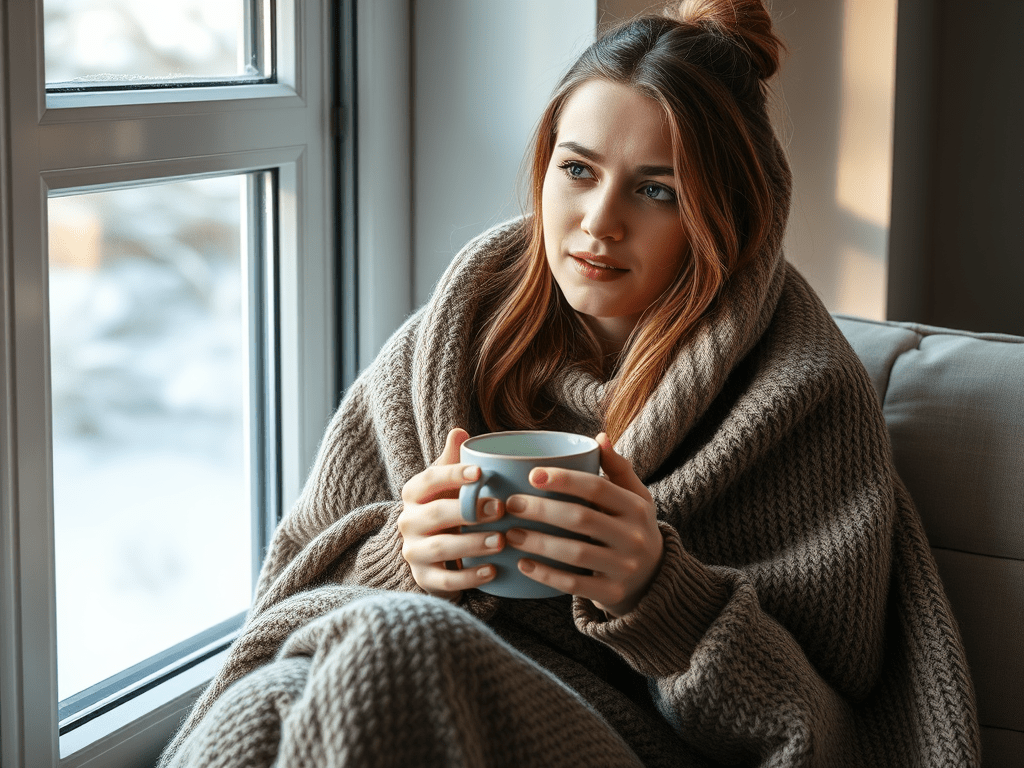
If you grew up hearing “Put on a jacket or you’ll catch a cold,” you’re not alone.
Most of us were taught — very confidently — that cold weather makes people sick.
But here’s the truth:
Cold temperatures do not cause colds.
Viruses do.
So why does it feel like everyone gets sick in winter?
And why does it sometimes happen right after you’ve been out in the cold?
Let’s break it down — without myths, fear, or oversimplified answers.
First things first: what actually causes a cold
Colds are caused by viruses, most commonly rhinoviruses.
That means one thing has to happen for you to get sick:
👉 You must be exposed to a virus.
No virus = no infection.
You can be freezing cold, soaked, or standing in fog — and still not get sick if there’s no viral exposure.
This is well-established science.
So why do colds happen more often in cold weather?
Cold weather doesn’t cause illness — but it can create conditions that make viral infections more likely.
1. Cold, dry air affects your first line of defense
Your nose and airways are protected by:
- mucus (which traps pathogens)
- tiny hair-like structures called cilia (which move that mucus out)
In cold, dry air:
- mucus becomes thicker
- cilia move less efficiently
That means your body may still win the battle — but it has to work harder.
2. Cold temperatures reduce blood flow in the nose
Cold causes vasoconstriction (blood vessels narrow), especially in the nasal passages.
Less blood flow = fewer immune cells patrolling the entry point.
Your immune system isn’t weak — it’s just momentarily less present locally.
3. Viruses like winter conditions
Some respiratory viruses:
- replicate more efficiently in cooler nasal temperatures
- survive longer in cold, dry air
- stay airborne longer in dry indoor environments
Again — this doesn’t create viruses, but it helps them spread.
4. Winter changes how we live
This is a big one.
In colder months, we tend to:
- stay indoors more
- gather in enclosed spaces
- ventilate less
- breathe the same air for longer periods
This increases exposure time and viral load, which matters more than temperature alone.
5. Stress, sleep, and diet play a role
Winter routines often come with:
- higher stress
- less movement
- poorer sleep
- more processed foods
All of these can affect immune resilience — not dramatically, but enough to matter when a virus is present.
Important reminder
Cold weather does not weaken your immune system as a whole.
It may slightly affect local defenses and environmental conditions, but:
Without a virus, there is no illness.
That’s why:
- some people never get sick all winter
- others get sick despite “doing everything right”
- timing often tricks us into blaming the cold
What actually helps during cold season
Instead of fearing the cold, focus on supporting your body:
- stay hydrated (mucus needs moisture)
- get enough sleep
- manage stress where possible
- eat real, nourishing foods
- ventilate indoor spaces when you can
- wash hands regularly (simple, but effective)
Your body already knows what to do — your job is to not make it harder.
The bottom line
Cold weather doesn’t make you sick.
It simply:
- changes the environment
- alters local defenses
- increases exposure opportunities
Your immune system is not fragile — it’s intelligent, adaptive, and remarkably effective.
Understanding how it works helps you work with your body, not against it.
🌿 If you enjoyed this post, explore more wellness topics here on the blog — and feel free to leave a comment below. I’d love to hear your thoughts or experiences.
This post is meant for general education — everyone’s body is different, and persistent or severe symptoms should always be evaluated by a healthcare professional.

The Healing Power of Plants: Best Houseplants for Cleaner Air & Better Focus
Bringing a few houseplants into your home can do so much more than make a room look pretty. Some plants naturally clean the air, others help create a calmer atmosphere, and a few can even support better focus throughout the day. In this post, we’ll explore some of the easiest, most nurturing plants to grow…
Keep reading

Start Your Day the Natural Way: 7 Morning Rituals to Boost Energy & Mood
Start your mornings on a softer, more natural note with simple rituals that help boost your energy and lift your mood—without stress or perfection. These gentle habits bring a little peace, grounding, and joy into the very first moments of your day. Perfect for anyone who wants mornings to feel calmer, kinder, and a lot…
Keep reading

Perimenopause 101: What’s Happening to Your Body (And Signs You Might Already Be In It)
Wondering if you’re in perimenopause? Learn the early signs, what’s happening in your body, and how to recognize this natural life transition—plus a teaser for natural support tips coming soon.
Keep reading

Natural PMS Relief: Real Remedies That Don’t Involve Painkillers
Struggling with PMS every month? You’re not alone—and you don’t have to rely on painkillers to feel better. In this post, we explore gentle, natural remedies for PMS relief, including supportive herbs, essential oils, foods, and lifestyle tips that actually help. Written with care and understanding, this guide is like a conversation with a friend…
Keep reading

Ozempic Teeth? Exploring the Trend, the Risks, and Natural Wellness Alternatives
As Ozempic use rises, so do questions about side effects like “Ozempic teeth.” In this post, we explore how quick-fix solutions can impact oral health, and offer natural, compassionate ways to support metabolism, dental wellness, and whole-body balance.
Keep reading
 For body and mind
Leave a comment