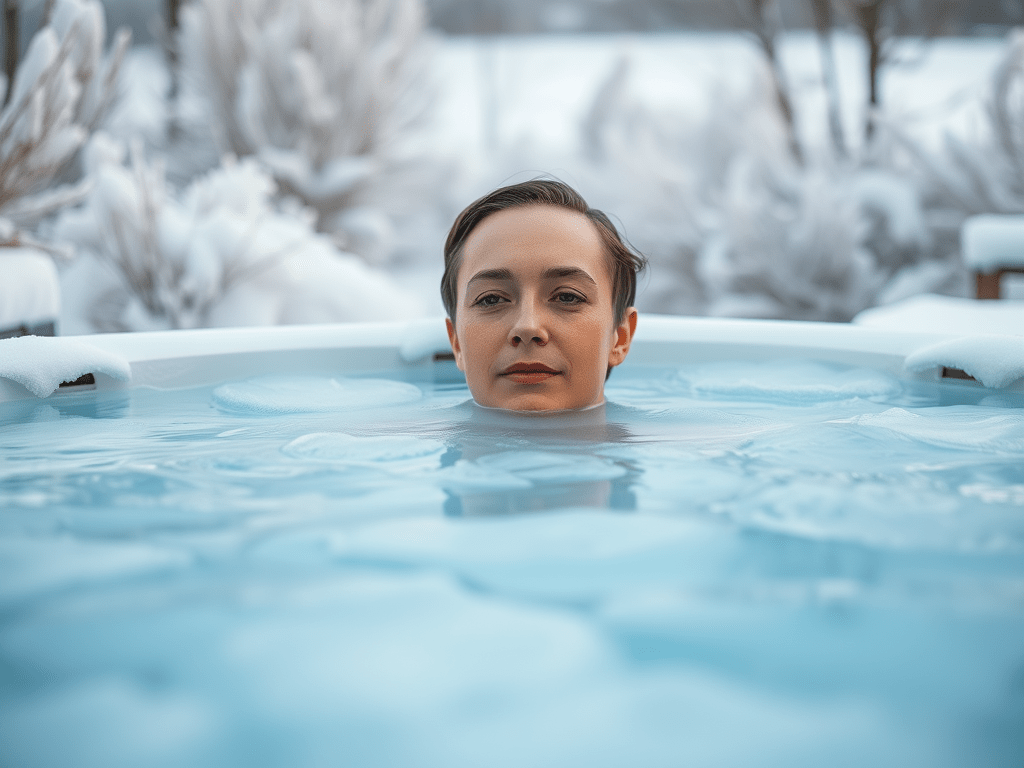
Cold therapy has been making waves in health and wellness circles, but it’s more than just a fleeting trend. Whether you’re plunging into an ice bath or embracing the invigorating chill of a cold shower, cold therapy offers a range of benefits for both the body and mind. Let’s dive into the science behind it, its mental health advantages, and how you can get started.
What Is Cold Therapy?
Cold therapy, also known as cryotherapy, involves exposing the body to cold temperatures to stimulate health benefits. This can be done through ice baths, cold showers, or even localized ice packs. The practice has been around for centuries, used by athletes to reduce inflammation and improve recovery.
The Science Behind Cold Therapy
When your body encounters cold temperatures, several physiological responses occur:
- Vasoconstriction: Blood vessels narrow to preserve core body heat, reducing inflammation and swelling in the process. This helps with muscle recovery and pain relief after intense physical activities.
- Reduced Inflammation: Cold exposure decreases the metabolic rate of tissues, which slows down cellular damage and reduces the release of inflammatory chemicals. This is particularly beneficial for managing injuries and chronic inflammatory conditions.
- Increased Endorphins: Exposure to cold triggers the release of endorphins, the body’s natural “feel-good” chemicals. This surge can lead to improved mood, decreased perception of pain, and an overall sense of well-being.
- Enhanced Circulation: Alternating between cold and warm exposure, such as with contrast therapy, can improve blood flow by repeatedly dilating and constricting blood vessels. This promotes efficient nutrient delivery and waste removal in the body.
These responses help improve circulation, reduce muscle fatigue, enhance mental clarity, and support overall recovery.
Mental Health Benefits of Cold Therapy
One of the most compelling reasons people turn to cold therapy is for its mental health perks:
- Mood Boosting: Cold exposure increases norepinephrine levels, a neurotransmitter linked to improved mood, focus, and alertness. This natural “feel-good” chemical can provide an almost immediate sense of euphoria and clarity after a cold plunge.
- Stress Reduction: Regular cold exposure can enhance your stress tolerance over time by training your nervous system to handle discomfort more effectively. This hormetic stress (small, controlled stress) helps you remain calm and composed in other challenging situations.
- Mental Resilience: Facing the discomfort of cold water helps build mental toughness and resilience. Overcoming the initial shock and maintaining composure fosters a sense of accomplishment, which can boost confidence and mental fortitude in daily life.
Physical Health Benefits
Beyond mental health, cold therapy offers numerous physical benefits:
- Improved Metabolism: Cold exposure can activate brown fat, which burns calories to generate heat. This not only helps regulate body temperature but can also support weight management and metabolic health by increasing energy expenditure.
- Enhanced Immune Response: Some studies suggest cold exposure may strengthen the immune system by increasing the production of white blood cells and enhancing antioxidant levels. This can make your body more resilient against common illnesses.
- Faster Recovery: Athletes use cold therapy to reduce muscle soreness and speed up recovery times. The cold helps decrease inflammation, flush out metabolic waste, and reduce swelling, allowing muscles to repair more efficiently after intense physical activity.
Ice Baths vs. Cold Showers: Which Is Better?
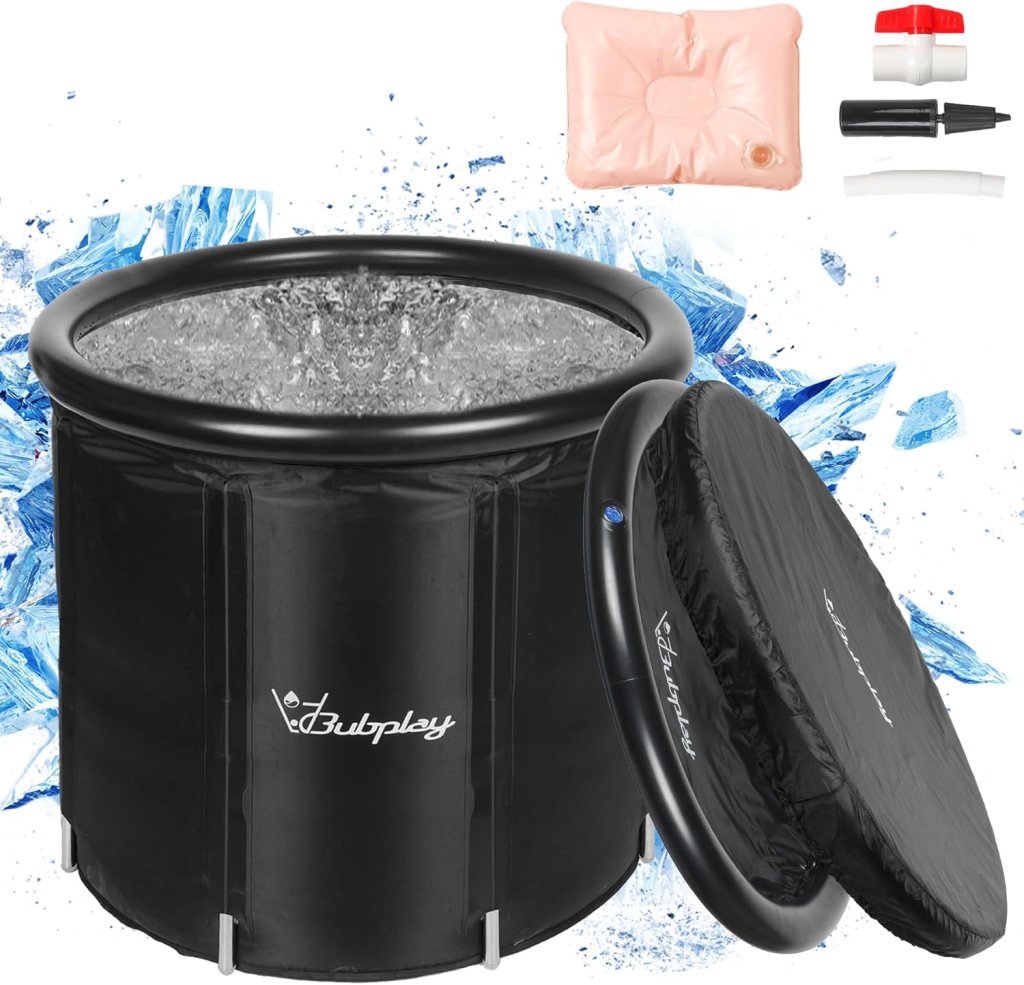
- Ice Baths: Offer intense cold exposure, ideal for reducing muscle soreness quickly. They require more preparation and aren’t as accessible daily.
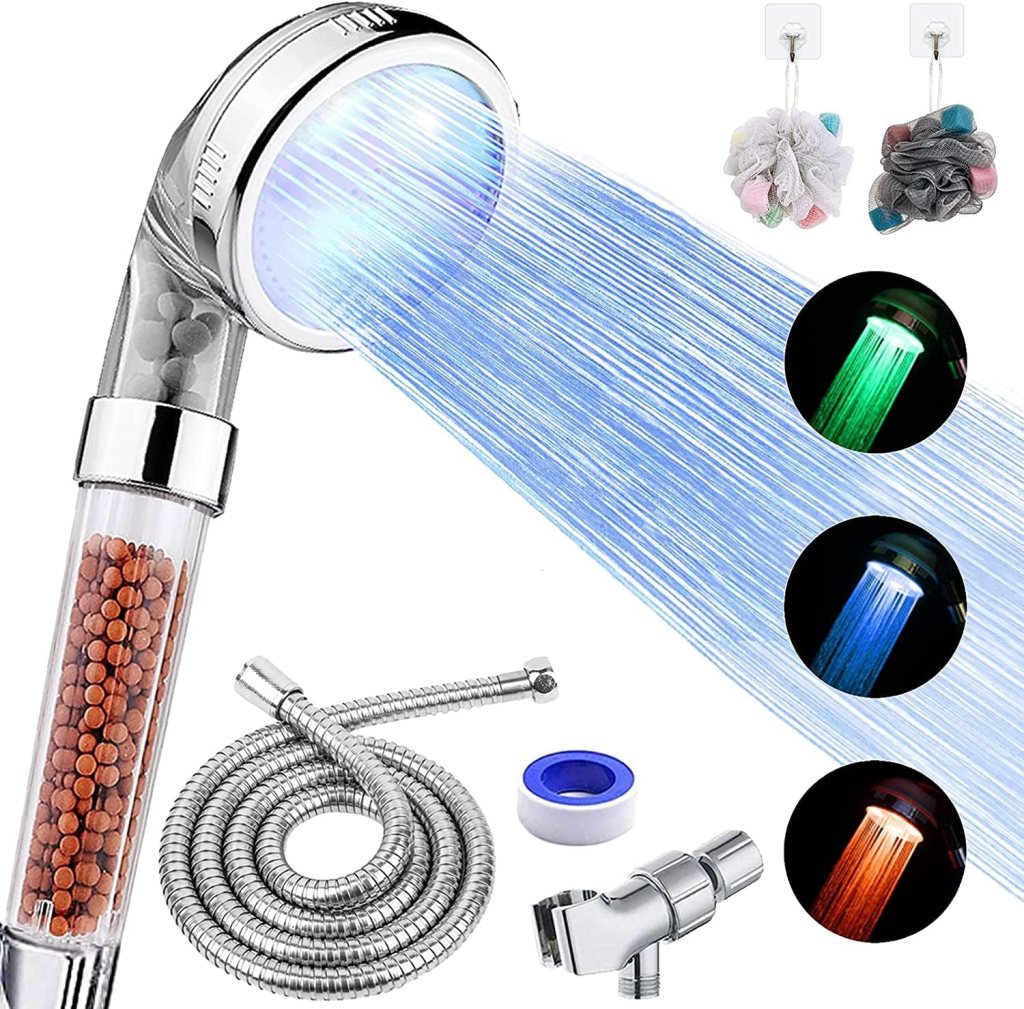
- Cold Showers: Easier to integrate into your routine. They provide mental health benefits and improve circulation but might not be as effective for deep muscle recovery.
Both methods are effective, and your choice depends on your goals and lifestyle.
How to Start Your Cold Therapy
Starting cold therapy can be intimidating, but with a gradual approach, it becomes more manageable. Here are some tips to ease into the practice:
Start Slowly:
If you’re new to cold therapy, don’t jump straight into an ice bath. Begin with cold showers by ending your regular warm shower with 30 seconds of cold water. Gradually increase the duration as you get more comfortable.
Once you’re used to cold showers, you can start experimenting with ice baths. Begin with shorter sessions, around 1-2 minutes, and focus on controlling your breathing. As your tolerance builds, gradually increase the duration in small increments of 30 seconds to 1 minute.
For most people, an ideal ice bath duration ranges between 5 to 10 minutes. It’s important not to exceed 15 minutes, as prolonged exposure can lead to hypothermia. Aim to maintain the water temperature between 50°F to 59°F (10°C to 15°C), which is effective for recovery and mental benefits without posing significant risks. Always listen to your body—if you feel numbness, dizziness, or extreme discomfort, exit the bath immediately.
Use Special Cold Therapy Socks:
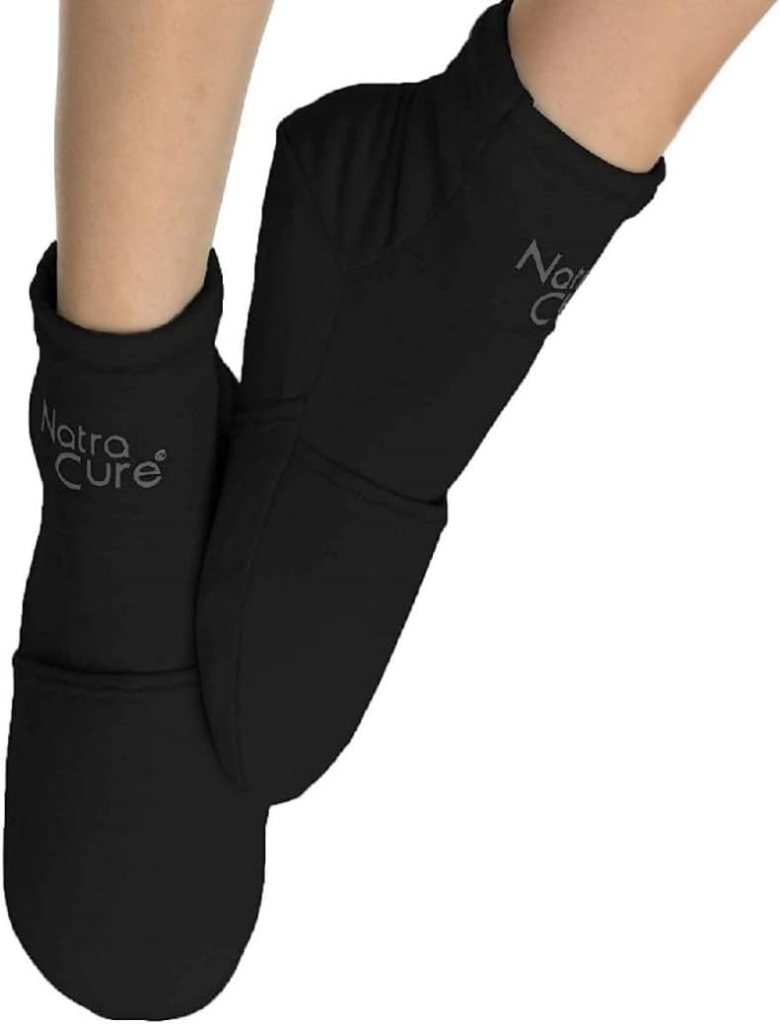
For individuals who find the initial shock of ice baths too intense, wearing special cold therapy socks can help. These neoprene or thermal socks provide insulation, reducing the discomfort while still allowing the rest of your body to benefit from cold exposure. They’re especially helpful for beginners who are gradually building their tolerance.
Focus on Breathing:
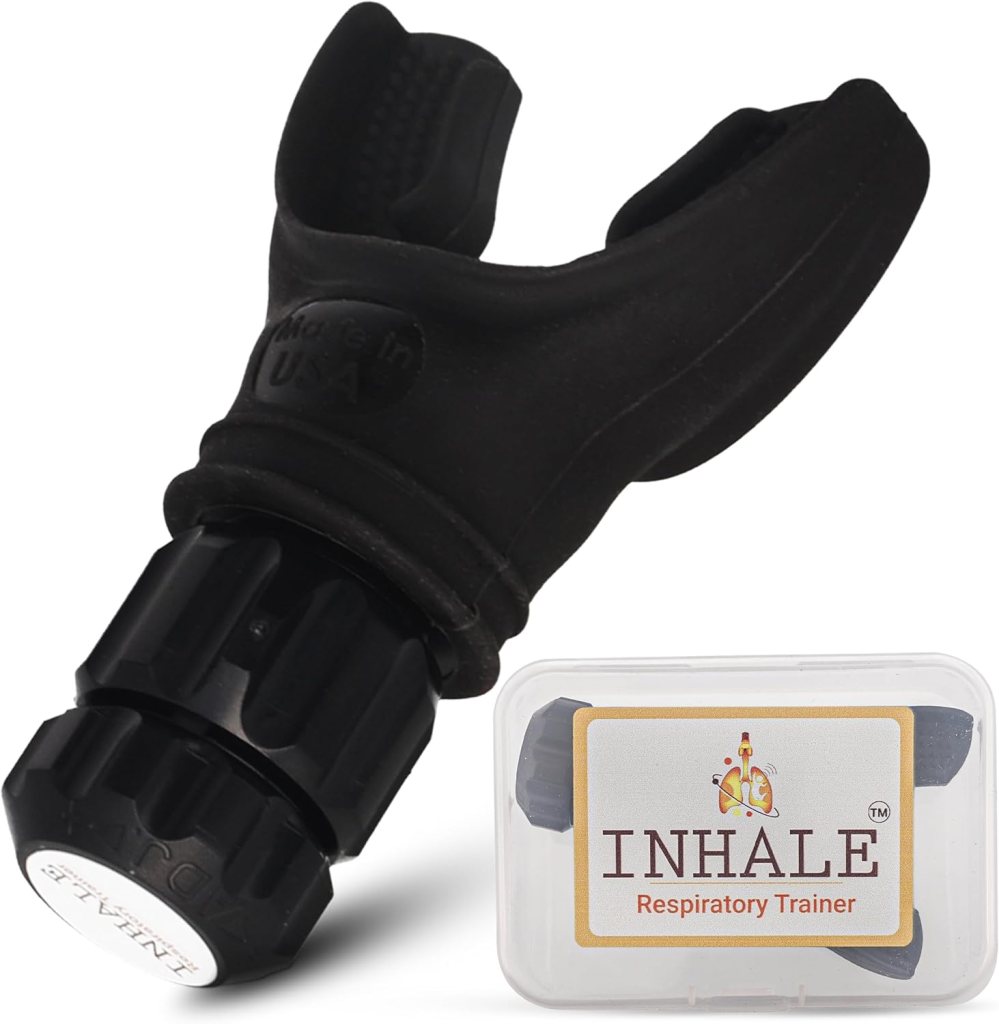
Controlled breathing helps manage the shock of cold water. Practice deep, steady breaths to calm your mind and body. Inhale deeply through your nose, hold for a few seconds, and exhale slowly through your mouth.
Consistency Is Key:
Consistency builds tolerance. Aim to expose yourself to cold regularly, whether it’s daily cold showers or weekly ice baths. Over time, your body and mind will adapt, making the experience less daunting.
Prepare Mentally:
Approach cold therapy with a positive mindset. Visualize the benefits you’ll gain, such as increased energy, improved mood, and mental resilience. A positive attitude can make a significant difference in your experience.
Dress Warmly After:
After your cold exposure, dry off quickly and dress in warm clothes. Sipping a warm beverage can also help your body reheat comfortably.
Track Your Progress:
Keep a journal to track your sessions, how you felt before and after, and any changes in your mood, energy levels, or recovery times. This can help you stay motivated and recognize the benefits over time.
Safety Precautions
While cold therapy can be highly beneficial, it’s important to follow safety guidelines to avoid risks:
- Consult a Healthcare Professional: If you have cardiovascular conditions, respiratory issues, or other medical concerns, consult your doctor before starting cold therapy.
- Avoid Prolonged Exposure: Do not exceed 15 minutes in an ice bath. Overexposure can lead to hypothermia.
- Know When to Stop: If you experience dizziness, numbness, chest pain, or difficulty breathing, stop the session immediately and seek medical attention if necessary.
- Never Go Alone: Especially for ice baths, it’s safer to have someone nearby in case you need assistance.
Disclaimer
This post contains affiliate links, which means I may earn a small commission if you make a purchase through these links at no extra cost to you. Thank you for supporting my content!
Recommended Products for Cold Therapy
Enhance your cold therapy routine with these carefully selected products. Below, you’ll find products designed to support every stage of your cold therapy practice, from preparation to recovery. Click on each item for more details and to shop directly through Amazon.
Amazon affiliate link
Amazon affiliate link
Amazon affiliate link
Amazon affiliate link
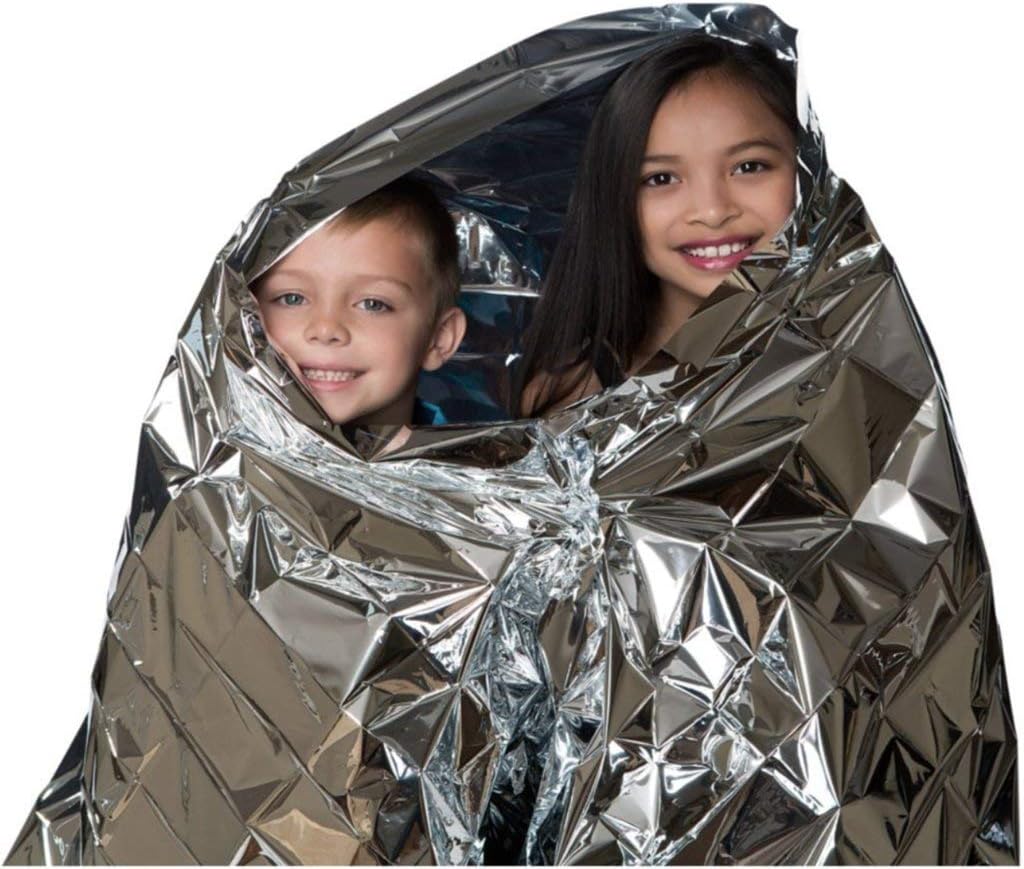
Thermal Blanket: Ideal for warming up quickly after your cold therapy session.
Amazon affiliate link
Final Thoughts
Cold therapy isn’t just a trend—it’s a powerful tool for enhancing both physical and mental well-being. Whether you choose ice baths or cold showers, the key is consistency and a positive mindset.
Have you tried cold therapy? Share your experiences in the comments below, and don’t forget to check out more of our health and wellness posts!
Also, if you found this post helpful, consider checking out the recommended products through the affiliate links provided. Your support helps keep this content alive and thriving. Thank you for being part of our health and wellness community!


Leave a Reply