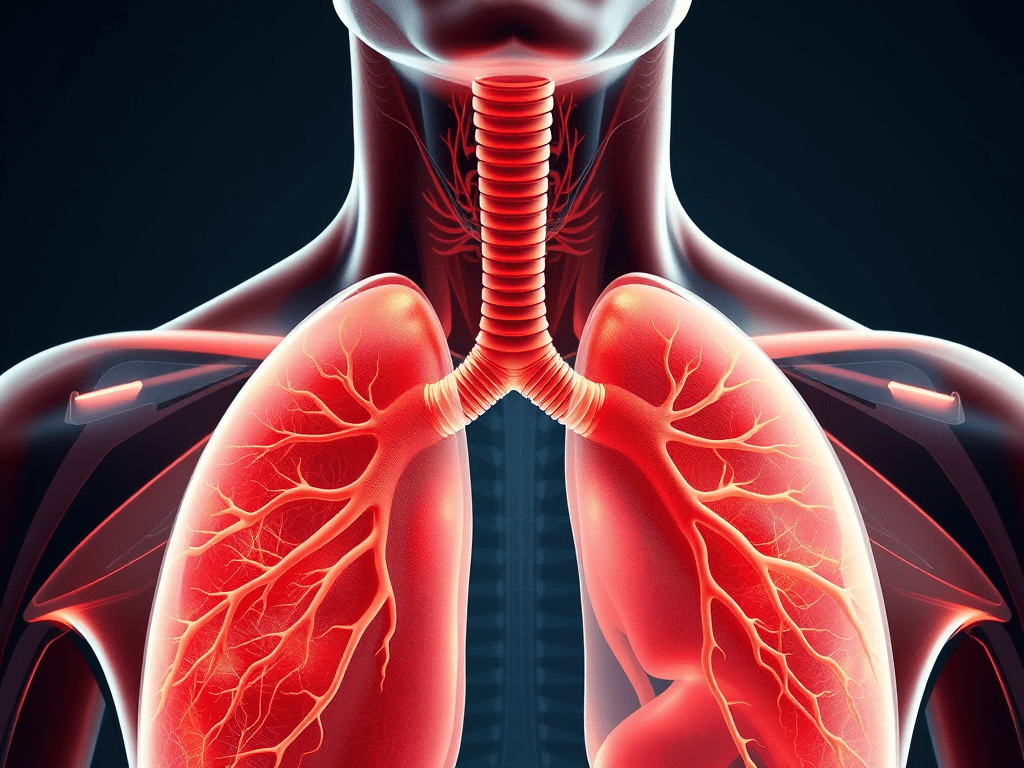
Breathing—it’s something we do automatically, but what if we could train our lungs to work more efficiently? Breath training devices claim to strengthen your respiratory muscles, boost lung capacity, and even improve athletic performance. But do they really work? Let’s dive into the science, benefits, potential risks, and whether investing in one of these gadgets is worth it.
What Are Breath Training Devices?
Breath training devices, also known as respiratory muscle trainers (RMTs), are tools designed to improve your breathing efficiency by creating resistance as you inhale and exhale. Think of them as tiny “dumbbells” for your lungs. They force your respiratory muscles—like the diaphragm and intercostals—to work harder, potentially increasing their strength and endurance over time.
There are two main types of breath training devices:
- Inspiratory Muscle Trainers (IMTs): These focus on strengthening the muscles used to inhale.
- Expiratory Muscle Trainers (EMTs): These help train the muscles involved in exhaling.
Some devices combine both functions, offering a full respiratory workout.
Benefits of Using Breath Training Devices
1. Improved Lung Capacity
Studies suggest that regularly training your respiratory muscles can enhance lung function, which can be particularly useful for athletes, people with respiratory conditions, and even those looking to improve overall stamina.
2. Enhanced Athletic Performance
Many endurance athletes use breath training to increase oxygen efficiency. This can lead to improved stamina, better recovery, and reduced breathlessness during intense workouts.
3. Support for Respiratory Conditions
For individuals with asthma, COPD, or other lung-related conditions, strengthening the respiratory muscles may help make breathing easier and reduce shortness of breath.
4. Better Stress Management
Breathing exercises are known to lower stress and anxiety. Using a breath trainer can encourage deeper, more controlled breathing, which can have a calming effect on the nervous system.
5. Improved Sleep Quality
By strengthening your diaphragm and promoting better airflow, breath training may reduce snoring and improve oxygen intake while sleeping.
The Science Behind Breath Training
There is legitimate research supporting the use of breath training devices. Studies have shown that respiratory muscle training can:
- Increase diaphragm thickness and strength
- Enhance overall endurance and oxygen uptake
- Reduce breathlessness in both healthy individuals and those with respiratory conditions
A 2019 study published in The Journal of Strength and Conditioning Research found that athletes who incorporated inspiratory muscle training improved their VO2 max (a key measure of aerobic fitness). Another study in The European Respiratory Journal suggested that breath training can improve symptoms in COPD patients.
Is It Real or Just a Gimmick?
Breath training devices aren’t magic, but they do have real benefits when used correctly and consistently. However, they won’t drastically increase your lung size or turn you into an elite athlete overnight. The key is regular training—just like any other form of exercise.
Potential Risks and Considerations
While breath training devices are generally safe, there are a few things to keep in mind:
- Overuse can cause fatigue: Your respiratory muscles can get tired just like any other muscles. Start slow and build up gradually.
- Not a cure for lung disease: These devices can help improve breathing efficiency but should not replace medical treatments for serious respiratory conditions.
- May cause dizziness: If you’re not used to controlled breathing exercises, you may experience dizziness initially. Always use these devices while seated until you get used to them.
Best Breath Training Devices (Recommendations)
Disclaimer: This post contains Amazon affiliate links. If you purchase through these links, I may earn a small commission at no extra cost to you. This helps support my content—thank you!
1. POWERbreathe Plus Inspiratory Muscle Trainer
One of the most well-known IMTs, this device offers adjustable resistance levels, making it great for beginners and advanced users alike. It’s used by athletes, singers, and even those recovering from respiratory illnesses.
The breathing lung exerciser features adjustable pressure levels. You can regulate the flow valve to find the perfect resistance for your training needs.
Developed by MMA fighter Bas Rutten, this compact device focuses on strengthening your inspiratory muscles, making it a favorite among fitness enthusiasts.
4. The Breather – Respiratory Muscle Trainer
A great option for those with respiratory conditions like COPD or asthma, this device provides both inspiratory and expiratory resistance to help improve breathing strength.
Final Thoughts: Should You Try a Breath Training Device?
If you’re looking to improve your breathing efficiency, boost endurance, or support your respiratory health, a breath training device can be a great addition to your routine. While they’re not a magic fix, consistent use can lead to noticeable improvements over time.
Have you ever tried a breath training device? Let me know in the comments! And don’t forget to check out more of our blog posts for more health and wellness tips.

 For body and mind
Leave a reply to Ozone Therapy: The Controversial Treatment with Surprising Benefits – For body and mind Cancel reply